Welche
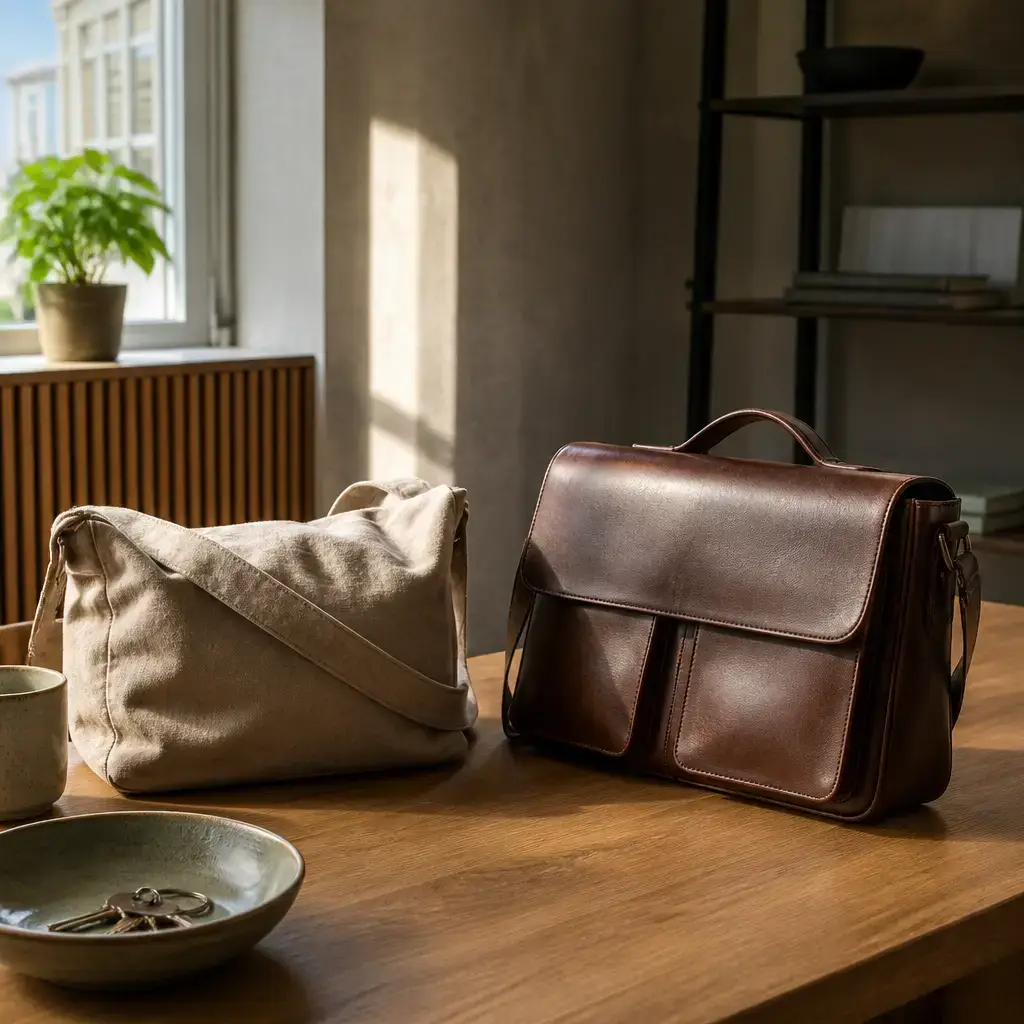
In „Welche Tasche“ means “which” and asks the listener to identify one choice from the available bags. It is used directly before the noun in the reusable pattern „Welche + noun?“ such as „Welche Tasche?“.
Tasche
„Tasche“ means “bag” in „Welche Tasche soll ich wählen?“. It is the noun for the item being selected; a common pattern is „eine Tasche für ...“, as in „eine Tasche für die Arbeit“.
soll
„soll“ expresses what the speaker should do in „soll ich wählen?“ and makes the question a request for advice. It is commonly used before another verb, as in „Soll ich ... wählen?“.
ich
„ich“ means “I” and identifies the person who is asking and choosing in „soll ich wählen?“. It commonly appears before the verb in a question such as „Soll ich ...?“.
wählen
„wählen“ means “choose” in „Tasche soll ich wählen?“. It follows „soll“ in this sentence, and the reusable pattern is „Soll ich ... wählen?“ when asking which option to select.
Diese
„Diese“ means “this” and points to one particular bag in „Diese hier“. It is used before a noun when naming the item, as in „diese Tasche“.
hier
„hier“ means “here” and helps identify the bag being indicated in „Diese hier“. Together, „Diese hier“ means “this one here” and is useful when choosing between visible objects.
ist
„ist“ means “is” in „ist leicht“ and links the bag with its description. A common reuse pattern is „... ist + description“, such as „Die Tasche ist leicht“.
leicht
„leicht“ means “light” in „Diese hier ist leicht“, describing the bag’s weight. It can be reused after „ist“ to describe an object, as in „Die Tasche ist leicht“.
Die
„Die“ means “the” before „andere Tasche“ and identifies the other bag already being compared. The exact form is capitalized here because it begins the sentence; the reusable pattern is „die + noun“.
andere
„andere“ means “other” in „Die andere Tasche“ and distinguishes this bag from the one just mentioned. It is used before a noun in the pattern „die andere + noun“.
sieht
„sieht“ contributes “looks” in „sieht stabiler aus“, describing how the other bag appears. It is used with „aus“ in the construction „sieht ... aus“; the description comes between the two parts.
stabiler
„stabiler“ means “stronger” or “more stable” in „sieht stabiler aus“, comparing this bag with the other one. It describes the bag between „sieht“ and „aus“ in „sieht stabiler aus“.
aus
„aus“ is the second part of „sieht stabiler aus“, which means “looks stronger” here. Keep it together with „sieht“ in the reusable pattern „sieht ... aus“; the describing word can appear between them.
Sie
„Sie“ means “it” here and refers back to „die andere Tasche“ in „Sie hat auch zwei Fächer“. It is used at the beginning of the sentence to continue talking about the bag without repeating the noun.
hat
„hat“ means “has” in „Sie hat auch zwei Fächer“, stating what the bag contains. A common reuse pattern is „... hat + thing“, such as „Die Tasche hat zwei Fächer“.
auch
„auch“ means “also” in „hat auch zwei Fächer“ and adds the pockets as another useful feature. It commonly appears before the added information, as in „hat auch ...“.
Fächer
„Fächer“ means “pockets” or “compartments” in „zwei Fächer“, referring to sections inside the bag. It follows a number in this dialogue, and the reusable pattern is „zwei + noun“.
brauche
„brauche“ means “need” in „Ich brauche eine Tasche“, stating what the speaker requires. A common pattern is „Ich brauche + object“, as in „Ich brauche eine Tasche für die Arbeit“.
eine
„eine“ means “a” in „eine Tasche“ and introduces one unspecified bag that is needed. It is used directly before the noun in the pattern „eine + noun“.
für
„für“ means “for” in „für die Arbeit“ and shows the purpose of the bag. It commonly introduces the intended use or recipient, as in „eine Tasche für ...“.
Arbeit
„Arbeit“ means “work” in „für die Arbeit“, naming the purpose for which the bag is needed. The reusable expression is „für die Arbeit“ when something is intended for work.
Dann
„Dann“ means “then” and connects the work requirement with the following conclusion in „Dann ist die stabilere Tasche sinnvoll“. It can introduce a conclusion after a condition or new piece of information.
sinnvoll
„sinnvoll“ means “sensible” or “makes sense” in „die stabilere Tasche sinnvoll“, describing the stronger bag as a sensible choice. It commonly follows „ist“ in the pattern „... ist sinnvoll“.
kann
„kann“ means “can” in „Ich kann meine Papiere ... legen“ and expresses that the speaker is able to place the papers there. It is used before another verb, as in „Ich kann ... legen“.
meine
„meine“ means “my” in „meine Papiere“ and shows that the papers belong to or concern the speaker. It is placed directly before the noun in the pattern „meine + noun“.
Papiere
„Papiere“ means “papers” in „meine Papiere“, referring to the documents the speaker wants to carry. A common reuse pattern is „meine Papiere in ... legen“ when putting documents into a container.
in
„in“ means “into” in „in die Fächer legen“ and introduces the place where the papers are put. With a placement verb such as „legen“, it commonly connects the object to its destination: „... in die Fächer legen“.
legen
„legen“ means “put” or “place” in „meine Papiere ... legen“, describing placing the papers into the compartments. It follows „kann“ here; the reusable pattern is „Ich kann + object + ... legen“.
Das
„Das“ means “that” in „Das sollte gut für dich funktionieren“ and refers to the proposed bag choice or arrangement. It can refer back to an entire idea at the start of a new sentence.
sollte
„sollte“ expresses an expectation or gentle recommendation in „Das sollte gut ... funktionieren“: the arrangement is expected to work well. It commonly appears with another verb, as in „Das sollte funktionieren“.
gut
„gut“ means “well” in „gut für dich funktionieren“ and describes the expected result of the arrangement. It appears before „für dich funktionieren“ to say that something will work well for someone.
dich
„dich“ means “you” in „für dich“ and identifies the person who will benefit from the bag working well. The reusable expression is „gut für dich“, meaning “good or suitable for you”.
funktionieren
„funktionieren“ means “work” or “function” in „für dich funktionieren“, referring to whether the proposed choice will be suitable in practice. It follows „sollte“ in the pattern „Das sollte ... funktionieren“.