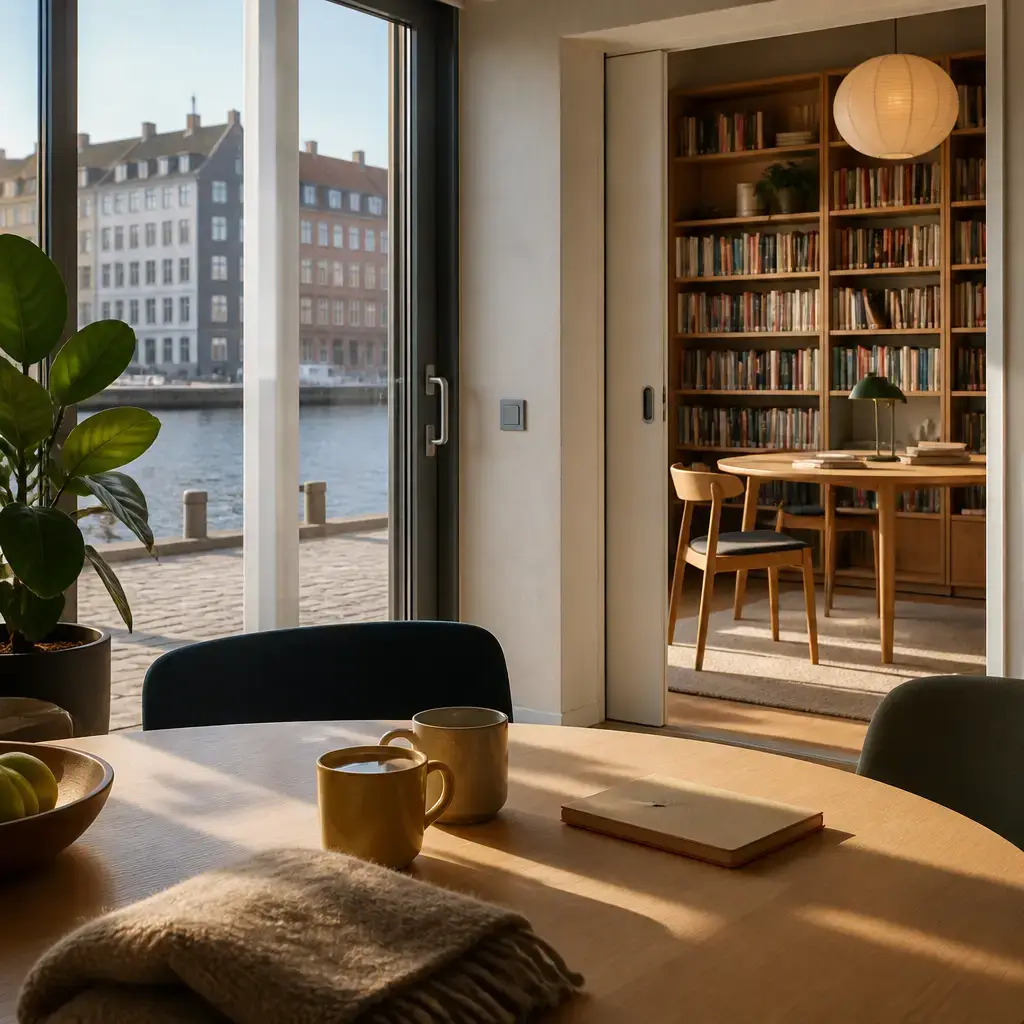
Welche
“Welche” asks which activity is meant in “Welche Aktivität”. It is used directly before the thing being selected, as in “Welche Aktivität?”. Use it when asking someone to choose from possibilities.
Aktivität
“Aktivität” means activity in “Welche Aktivität sollen wir machen?”. It names the thing the speakers are deciding to do. A reusable pattern is “eine Aktivität machen” when talking about doing an activity.
sollen
“Sollen” expresses what the speakers should do in “Welche Aktivität sollen wir machen?”. Here it asks for a shared decision about the next activity. Use “sollen wir ...?” to ask what you and another person should do.
wir
“Wir” means we in “sollen wir machen” and includes the speaker and at least one other person. It appears with the action the group is considering. Use “wir” when referring to yourself together with others.
machen
“Machen” means do in “Aktivität sollen wir machen”. It describes carrying out the activity being discussed. A reusable pattern is “eine Aktivität machen” for doing an activity.
könnten
“Könnten” presents walking as a possible option in “Wir könnten draußen spazieren gehen”. It makes the suggestion less direct than a firm decision. Use “Wir könnten ...” when proposing one possible action.
draußen
“Draußen” means outside in “draußen spazieren gehen”. It tells where the walking would happen. Use it with an activity that takes place outdoors, such as “draußen spazieren gehen”.
spazieren
“Spazieren” contributes the idea of taking a walk in “spazieren gehen”. It is used together with “gehen” in this dialogue. Use the pattern “spazieren gehen” when suggesting or describing a walk.
gehen
“Gehen” means go in “spazieren gehen”, where it helps form the expression for going for a walk. The word follows “spazieren” in this expression. Use “spazieren gehen” for the activity of taking a walk.
kann
“Kann” expresses possibility in “Draußen kann es kalt sein”: outside, it may be cold. It introduces a possible condition rather than a definite statement. Use “kann es ... sein” when describing something that may be the case.
es
“Es” means it in “kann es kalt sein”. Here it refers to the general weather condition rather than a named object. Use “es” in the pattern “Es kann ... sein” when stating that a condition may occur.
kalt
“Kalt” means cold in “kann es kalt sein”. It describes the possible temperature outside. Use “kalt sein” to say that something or somewhere is cold.
sein
“Sein” means be in “kalt sein”, completing the statement that it may be cold. It follows “kalt” in this expression. Use “sein” after a description when saying that something has that condition.
Dann
“Dann” means then in “Dann können wir drinnen lesen”. It connects the alternative reading plan to the possibility that it is cold outside. Use “Dann ...” to introduce what will happen as a result of a previous point.
können
“Können” means can in “können wir drinnen lesen”. It says that reading inside is an available option. Use “können wir ...” to suggest or state what the group is able or free to do.
drinnen
“Drinnen” means inside in “drinnen lesen”. It tells where the reading will happen. Use it with an indoor activity, such as “drinnen lesen”.
lesen
“Lesen” means read in “drinnen lesen”, and “Lesen” names reading in “Lesen klingt heute besser”. The lowercase form describes the action, while the capitalized form is used as the activity being evaluated. Use “lesen” when describing the action of reading.
klingt
“Klingt” means sounds in “Lesen klingt heute besser”. It describes how the reading option seems to the speaker. Use “klingt ...” when giving an impression, especially with an adjective such as “besser”.
heute
“Heute” means today in “klingt heute besser”. It limits the speaker’s judgment to the current day. Use it with an activity or condition that applies today.
besser
“Besser” means better in “Lesen klingt heute besser”. It shows that reading is judged more favorably than the other option in this conversation. Use “klingt ... besser” to say that something seems like the better choice.
Lass
“Lass” begins the suggestion “Lass uns einen ruhigen Raum wählen”, meaning let us choose a quiet room. It invites the other person to do something together. Use “Lass uns ...” to suggest a shared action.
uns
“Uns” means us in “Lass uns einen ruhigen Raum wählen”. It identifies the people who should carry out the suggested action together. Use it after “Lass” in the pattern “Lass uns ...”.
einen
“Einen” means a or an in “einen ruhigen Raum”. It introduces one unspecified room that the speakers want to choose. Use it before a masculine noun phrase such as “einen ruhigen Raum”.
ruhigen
“Ruhigen” means quiet in “einen ruhigen Raum”. It describes the room the speakers want for reading. Use it before a noun when describing a quiet place, as in “einen ruhigen Raum”.
Raum
“Raum” means room in “einen ruhigen Raum”. It names the indoor place the speakers plan to choose. Use “ein Raum” or a longer phrase such as “einen ruhigen Raum” when referring to a room.
wählen
“Wählen” means choose in “einen ruhigen Raum wählen”. It describes selecting one room from the available possibilities. Use it with the thing being selected, as in “einen ruhigen Raum wählen”.
Ich
“Ich” means I in “Ich bringe mein Buch mit” and “Ich finde einen Platz für uns”. It identifies the speaker who will carry out the action. Use “Ich” at the start when stating what you will do.
bringe
“Bringe” means bring in “Ich bringe mein Buch mit”. It says that the speaker will bring the book along. Use “bringe ... mit” when saying that you will bring something with you.
mein
“Mein” means my in “mein Buch”. It shows that the book belongs to or is associated with the speaker. Use it directly before a noun when identifying something as yours.
Buch
“Buch” means book in “mein Buch”. It names what the speaker will bring for the reading activity. Use it after a possessive such as “mein Buch” when referring to your book.
mit
“Mit” contributes the meaning of along in “Ich bringe mein Buch mit”. Together, “bringe mein Buch mit” says that the speaker will bring the book along. Use “mitbringen” in this separated sentence pattern when bringing something with you.
finde
“Finde” means find in “Ich finde einen Platz für uns”. It says that the speaker will locate a suitable spot for the group. Use “Ich finde ...” before the thing or place you will find.
Platz
“Platz” means spot or place in “einen Platz für uns”. It refers to a place where the speakers can sit or stay. Use it with “für” when identifying who the place is intended for.
für
“Für” means for in “einen Platz für uns”. It connects the place with the people who will use it. Use the pattern “etwas für uns” when something is intended for us.