Undskyld
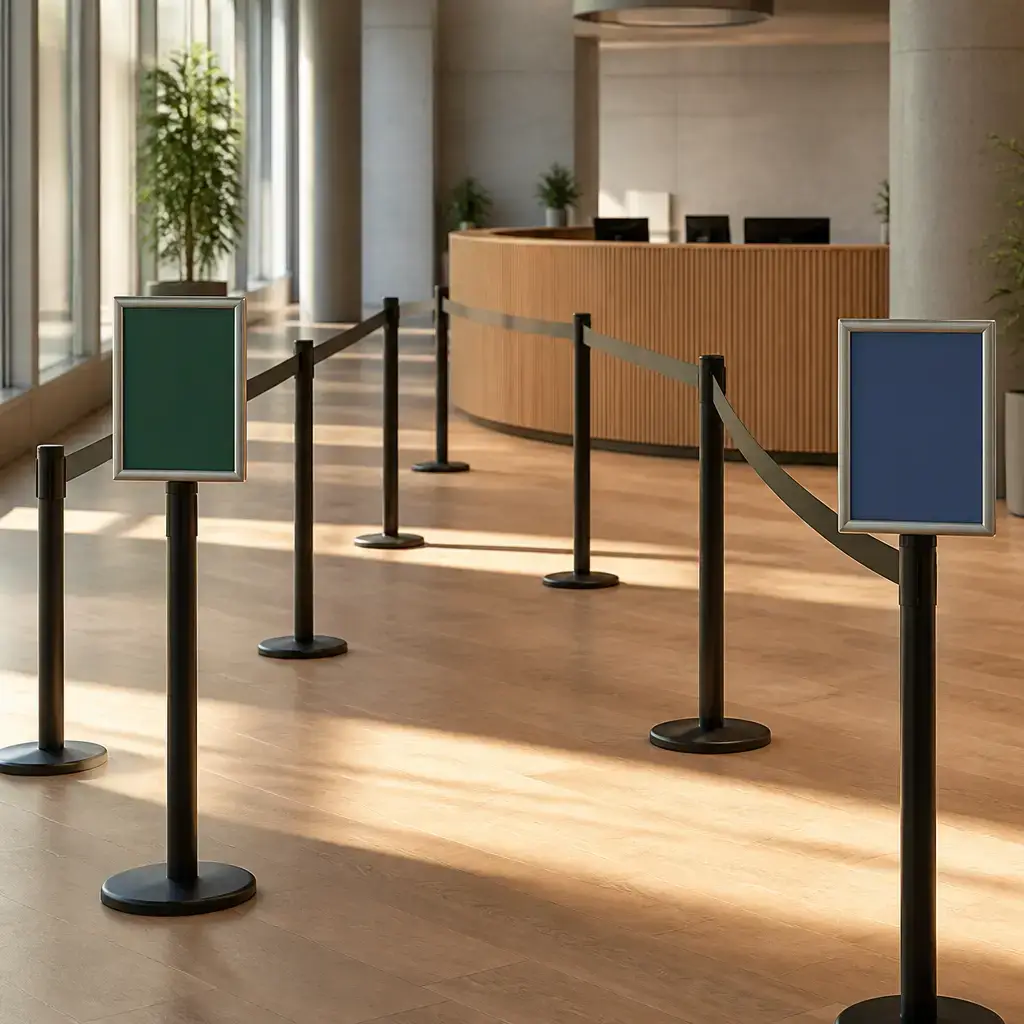
“Undskyld” means “excuse me” here and politely gets the other person’s attention before a question. Use it when addressing someone you do not know, for example before asking for directions.
er
“er” means “is” in “er det den rigtige kø?” and introduces the question about the line. It is used with “det” in this question pattern: “er det ...?”.
det
In “er det den rigtige kø?”, “det” is the “it” in “is it the right queue?”. In “det forkerte sted”, it helps form “the wrong place” and goes together with the following adjective and noun.
den
In “den rigtige kø”, “den” marks “the” before the specific queue being checked. In “Den kø er kortere nu”, it means “that” and points back to a particular queue; use it before a common-gender noun such as “kø”.
rigtige
“rigtige” means “right” or “correct” in “den rigtige kø”. It appears before the noun in the definite phrase “den rigtige kø”, and the same pattern can describe the correct place or person.
kø
“kø” means “queue” or “line” in “den rigtige kø” and “Denne kø”. Use it for a line of people waiting for a service, often with a phrase identifying its purpose or location.
Denne
“Denne” means “this” and points to the queue the speaker is currently identifying: “Denne kø”. It is useful when distinguishing one nearby queue from another.
til
“til” means “for” in “til informationsskranken”, showing which service the queue is intended for. A useful pattern is “køen er til ...” when explaining what a queue is for.
informationsskranken
“informationsskranken” means “the information desk” in “til informationsskranken”. The whole form refers to a specific service desk, so it is useful when naming the destination or purpose of a queue.
Jeg
“Jeg” means “I” and identifies the speaker in “Jeg skal forny mit medlemskort”. Use it at the beginning of a sentence when stating your own need, plan, or action.
skal
“skal” expresses the speaker’s need or obligation in “Jeg skal forny mit medlemskort”. It is followed here by the action “forny”, giving the reusable pattern “Jeg skal ...” for saying what you need to do.
forny
“forny” means “renew” in “skal forny mit medlemskort”. After “skal”, it names the action that the speaker needs to carry out, and the same pattern can be used for renewing another document or membership.
mit
“mit” means “my” before “medlemskort” in “mit medlemskort”. Use it directly before the thing that belongs to or concerns the speaker in this phrase.
medlemskort
“medlemskort” means “membership card” in “mit medlemskort”. It is a compound word naming the card, and it can follow a possessive such as “mit” when discussing renewing one’s card.
Så
“Så” means “then” and connects the information just given with the advice that follows: “Så skal du ...”. Use it to introduce a next step that follows from what someone has said.
du
“du” means “you” and identifies the person who should take the next action in “skal du stille dig i køen”. It is used when giving direct advice or instructions to one person.
stille
In “stille dig i køen”, “stille” contributes the meaning “stand or position yourself”, so the whole expression means “join the line”. Use this construction when telling someone where to place themselves.
dig
In “stille dig”, “dig” refers back to “du” and indicates that the person is positioning themselves. The reusable expression “stille dig i køen” means to join or stand in the queue.
i
“i” means “in” in “i køen”, describing being inside or part of the queue. Use it before “køen” in the common expression for standing in a line.
køen
“køen” means “the queue” in “stille dig i køen”. It refers to the specific line the listener should join, especially when another line is also nearby.
ved
“ved” means “by” or “next to” in “ved det blå skilt”, locating the correct queue near the sign. Use it before a landmark when directing someone to a place.
blå
“blå” means “blue” and describes the sign in “det blå skilt”. It helps identify the correct landmark by its color and comes before the noun it describes.
skilt
“skilt” means “sign” in “det blå skilt”. Together with “det blå”, it identifies a particular sign that marks the location of the correct queue.
var
“var” means “was” in “Jeg var næsten kommet til at vente ...”. Here it forms part of the expression describing what the speaker had almost ended up doing.
næsten
“næsten” means “almost” and shows that the speaker came close to waiting in the wrong place but did not actually do so. It can be placed before the action or expression it limits, as in “næsten kommet til at vente”.
kommet
In “var næsten kommet til at vente”, “kommet” contributes the idea of ending up in a situation. The complete expression “kommet til at vente” means having ended up waiting, while “næsten” shows that this nearly happened.
at
In “kommet til at vente”, “at” introduces the action “vente” after the expression “kommet til”. It is also the marker used before an infinitive in this construction.
vente
“vente” means “wait” in “at vente det forkerte sted”. It names the action that the speaker almost ended up doing, and it can follow “at” in this expression.
forkerte
“forkerte” means “wrong” in “det forkerte sted”. It describes the place as incorrect, and the full phrase is useful when saying that someone was in the wrong location.
sted
“sted” means “place” in “det forkerte sted”. Together with “det forkerte”, it identifies the location where the speaker almost waited.
forvirrende
“forvirrende” means “confusing” in “Det er forvirrende”. It describes the situation rather than a person and is useful for explaining why it is difficult to choose between two options.
fordi
“fordi” means “because” and introduces the reason in “fordi begge køer er tæt på hinanden”. Use it to connect a statement with its explanation or cause.
begge
“begge” means “both” and refers to the two queues in “begge køer”. It is placed before a plural noun when the speaker means the two items together.
køer
“køer” means “queues” or “lines” and refers to the two lines in “begge køer”. It is the plural form used when discussing more than one queue.
tæt
“tæt” means “close” in “tæt på hinanden”. With “på hinanden”, it describes two queues that are near one another rather than far apart.
på
In “tæt på hinanden”, “på” is part of the expression meaning “close to”. Keep it with “tæt” when describing the distance between two things.
hinanden
“hinanden” means “each other” or “one another” in “tæt på hinanden”. The full expression describes two queues that are close to each other.
flytter
“flytter” means “move” in “Jeg flytter mig”. With “mig”, it describes the speaker moving themselves to another position, here to the correct queue.
mig
In “Jeg flytter mig”, “mig” refers to the speaker and completes the expression meaning “I move myself” or “I move”. Use it after “flytter” when the person moves their own position.
før
“før” means “before” and introduces the event that should happen later in “før der kommer flere mennesker”. It connects the speaker’s move with the arrival of more people.
der
In “før der kommer flere mennesker”, “der” is an introductory subject word used before the people who arrive. The whole pattern “der kommer ...” means that people are arriving or coming.
kommer
“kommer” means “come” or “arrive” in “der kommer flere mennesker”. It describes people arriving at the service area, and the pattern can be used to announce that something or someone is coming.
flere
“flere” means “more” in “flere mennesker”. It indicates an additional number of people beyond those already present and comes before the plural noun here.
mennesker
“mennesker” means “people” in “flere mennesker”. It is the plural noun for the people who may arrive, and it follows quantity words such as “flere”.
kortere
“kortere” means “shorter” in “Den kø er kortere nu”. It compares the length of this queue with the other queue, and it can be used after a noun to describe a shorter line or route.
nu
“nu” means “now” and shows that the queue is shorter at the present moment: “kortere nu”. It is useful for pointing out a change in the current situation.