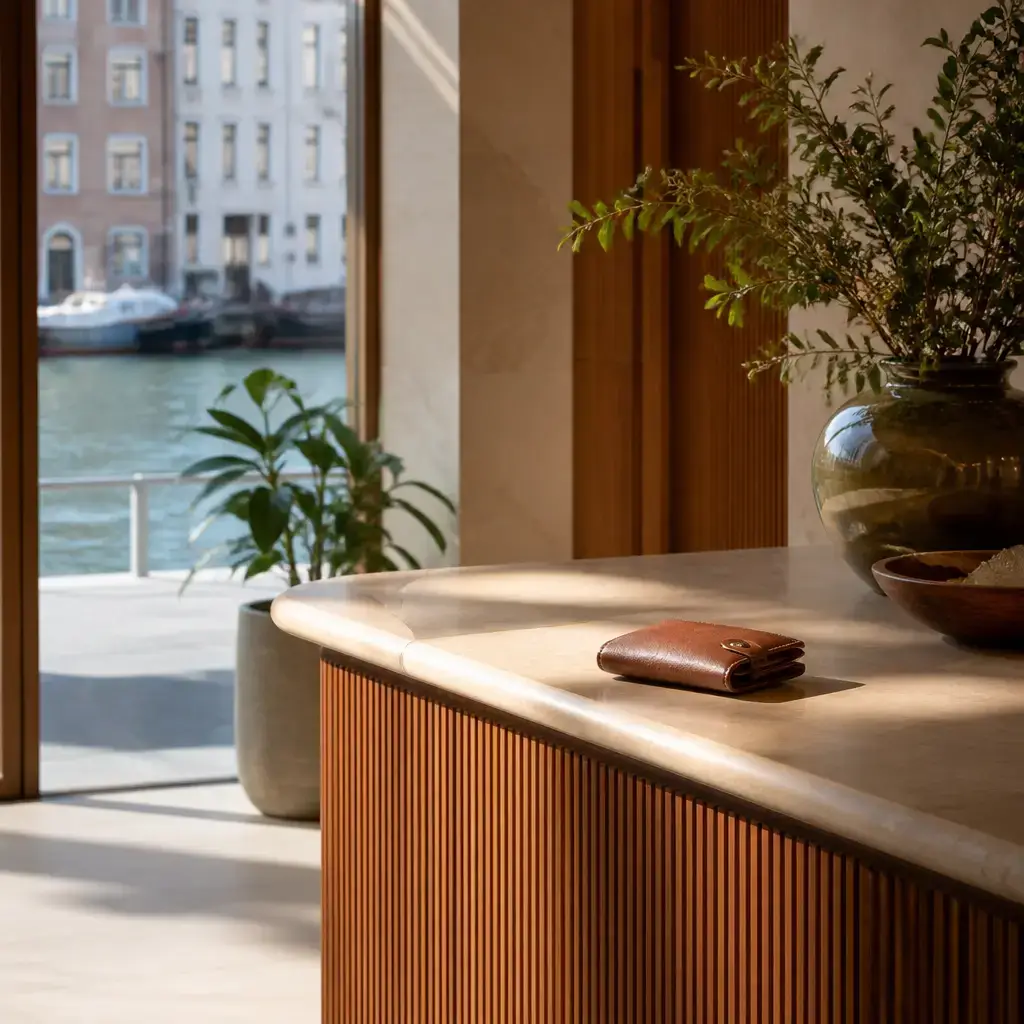
Jeg
“Jeg” means “I” in “Jeg tror” and identifies the person speaking. It is used as the subject before the verb, as in “Jeg kan skrive”. A learner can use it when talking about their own actions or thoughts.
tror
“tror” means “think” or “believe” here, introducing the speaker’s uncertain idea about the wallet. In “Jeg tror, jeg har glemt min pung”, it is followed by the thought being expressed. Use it when giving an opinion or saying what you believe.
har
“har” means “have” in “jeg har glemt min pung” and helps express that the forgetting has happened. Here it comes before “glemt”. Use “har” with a past participle when describing a completed action or experience.
glemt
“glemt” means “forgotten” and, in “har glemt min pung”, describes leaving the wallet behind unintentionally. It follows “har” in this dialogue form. Use it when saying that you no longer remember something or have left something somewhere.
min
“min” means “my” and shows that the wallet belongs to the speaker in “min pung”. It comes directly before the noun it describes. Use it before a possession when referring to something belonging to yourself.
pung
“pung” means “wallet” in “min pung”. It names the item the speaker thinks was left behind. Use it when talking about a wallet, especially with a possessive such as “min” or a description.
Lad
“Lad” contributes the meaning “let” in the suggestion “Lad os gå tilbage”. Together with “os”, it introduces a suggestion for shared action. Use “Lad os” when inviting the other person to do something together.
os
“os” means “us” in “Lad os gå tilbage”, referring to the speaker and the listener together. In this construction it follows “Lad” and forms the suggestion “let us”. Use “Lad os” before an action you propose doing together.
gå
“gå” means “go” in “gå tilbage til receptionen”. It names the action proposed in “Lad os gå tilbage”. Use it with a destination, such as “til receptionen”, when suggesting that someone go somewhere.
tilbage
“tilbage” means “back” in “gå tilbage”, showing a return to a previous place. It follows the movement verb in this expression. Use it with a movement verb when someone returns to an earlier location or state.
receptionen
“receptionen” means “the reception” or “the front desk” in “til receptionen”. It is the definite form related to “reception” and names the place they will return to. Use it after “til” when giving the destination of movement to the reception area.
og
“og” means “and” and links “gå tilbage til receptionen” with “melde det”. It joins two actions in the same suggestion. Use it to connect actions, people, or pieces of information.
melde
“melde” means “report” in “melde det”, referring to reporting the lost wallet. It follows “og” in the shared-action construction “Lad os ...”. Use it with an object when reporting a problem, event, or lost item.
det
“det” means “it” in “melde det” and refers back to the lost wallet. It is the thing being reported. Use it as a short reference to something already known from the conversation.
Den
“Den” refers to the wallet in “Den er brun”, meaning “it is brown”. It points back to the item being described rather than introducing a new object. Use it before “er” when referring back to this kind of known item.
er
“er” means “is” in “Den er brun” and connects the wallet with its description. It is followed here by “brun”. Use it to describe what something is like or where it is.
brun
“brun” means “brown” and gives the wallet’s color in “Den er brun”. It follows “er” as the main description of the item. Use it after “er” when describing something brown.
med
“med” means “with” in “med en lille sølvknap”, adding a feature of the wallet. It introduces the button that the wallet has. Use it before an object or feature when describing what something has or includes.
en
“en” is the indefinite article “a” in “en lille sølvknap”. It introduces one button that has not previously been identified. Use it before a singular noun when referring to an unspecified item.
lille
“lille” means “small” in “en lille sølvknap” and describes the size of the button. It comes before the noun phrase it modifies. Use it before a noun when identifying something as small.
sølvknap
“sølvknap” means “silver button” and identifies a distinguishing feature of the wallet. It appears in “en lille sølvknap” after the size description. Use it when describing a button made of or colored like silver.
detalje
“detalje” means “detail” in “Den detalje”, referring to the wallet’s small silver button. It identifies one piece of information that can help with checking the lost property. Use it for a specific feature or piece of information about something.
vil
“vil” means “will” in “vil hjælpe dem”, expressing an expected result in the future. It comes before “hjælpe”. Use it before an action when saying that something is expected or intended to happen.
hjælpe
“hjælpe” means “help” in “vil hjælpe dem med at tjekke hittegodset”. It describes how the detail will support the staff’s search. Use it with a person or group after “hjælpe”, and with “med at” before the supported action.
dem
“dem” means “them” in “hjælpe dem”, referring to the people at the front desk. It is the people who will receive the help from the detail. Use it after a verb when referring to people affected by the action.
tjekke
“tjekke” means “check” in “med at tjekke hittegodset”. It names the action the staff will perform when looking through lost property. Use it after “med at” when describing the activity someone is helped to carry out.
hittegodset
“hittegodset” means “the lost property” in “tjekke hittegodset”. It refers to the collection of items found and kept for their owners. Use it when talking about a lost-and-found collection or service.
Hvad
“Hvad” means “what” in “Hvad skal jeg sige”, asking for the content of the words the speaker should use. It appears at the beginning of the question. Use it to ask about an unspecified thing, fact, or wording.
skal
“skal” means “should” in “Hvad skal jeg sige”, asking what the speaker ought to say. It comes before “jeg sige” in the question. Use it to ask about advice, obligation, or the appropriate action.
sige
“sige” means “say” in “skal jeg sige”. It names the words the speaker may use when reporting the wallet. It follows “skal” here; use it when asking or explaining what someone should say.
hvis
“hvis” means “if” in “hvis de spørger om detaljer”, introducing a possible situation. It connects that condition with the question about what to say. Use it before a clause describing a condition or possibility.
de
“de” means “they” in “de spørger om detaljer”, referring to the people at the front desk. It is the subject of the possible question. Use it before a verb when referring to a group of people already understood from the context.
spørger
“spørger” means “ask” in “de spørger om detaljer”. It describes the front-desk staff requesting more information. Use it with “om” when saying that someone asks about or asks for information.
om
“om” means “about” in “spørger om detaljer”, linking the verb “spørger” to the subject of the question. It introduces the information being requested. Use “spørger om” before the topic or information someone asks about.
detaljer
“detaljer” means “details” in “spørger om detaljer”, referring to specific information about the wallet. It is the information the staff may request. Use it after “spørger om” when someone asks for more specific information.
Beskriv
“Beskriv” means “describe” in this direct instruction to give information about the wallet. It begins “Beskriv pungen” and tells the listener what action to take. Use it when asking someone to explain an object’s appearance or features.
pungen
“pungen” means “the wallet” in “Beskriv pungen”. It is the definite form related to “pung” and refers to the wallet already being discussed. Use it when the listener knows which wallet or other item is meant.
men
“men” means “but” and contrasts describing the wallet with keeping personal information private. It links the two instructions in “Beskriv pungen, men hold personlige oplysninger private”. Use it to introduce a limitation or contrasting instruction.
hold
“hold” means “keep” in “hold personlige oplysninger private”, instructing the listener not to reveal the information publicly. It is part of a direct instruction. Use it with an object and an adjective when telling someone to maintain a certain condition.
personlige
“personlige” means “personal” in “personlige oplysninger”, identifying information connected to the individual. It comes before “oplysninger” and limits which information should remain private. Use it before information-related nouns when referring to private details about a person.
oplysninger
“oplysninger” means “information” in “personlige oplysninger”. It refers to personal facts or details that should not be disclosed. Use it with “om” when specifying the subject of information, or with an adjective such as “personlige”.
private
“private” means “private” in “hold personlige oplysninger private”, describing the condition the information should remain in. It follows the object in this instruction. Use it after a verb such as “hold” when saying that something should remain private.
kan
“kan” means “can” in “Jeg kan skrive en kort note”, expressing the speaker’s ability or possibility. It comes before “skrive”. Use it before an action when saying that someone is able or permitted to do it.
skrive
“skrive” means “write” in “kan skrive en kort note”. It names the action the speaker can perform for the front-desk staff. It follows “kan”; use it when talking about producing written words or a note.
kort
“kort” means “short” in “en kort note”, describing the note as brief. It comes before “note”. Use it before a noun when describing something as short in length or duration.
note
“note” means “note” in “en kort note”, referring to a brief written message for the staff. It is introduced by “en”. Use it when talking about a short written reminder or message.
til
“til” means “for” in “til dem”, showing who the note is intended for. It comes before the pronoun “dem”. Use it to identify the recipient or intended person of something.
rapporten
“rapporten” means “the report” in “gøre rapporten tydelig”. It is the definite form related to “rapport” and refers to the report being prepared. Use it when discussing a specific report known in the situation.
tydelig
“tydelig” means “clear” in “gøre rapporten tydelig”, describing the report as easy to understand. It completes the meaning of making the report clear. Use it after a verb such as “gøre” when describing the result you want something to have.