Må
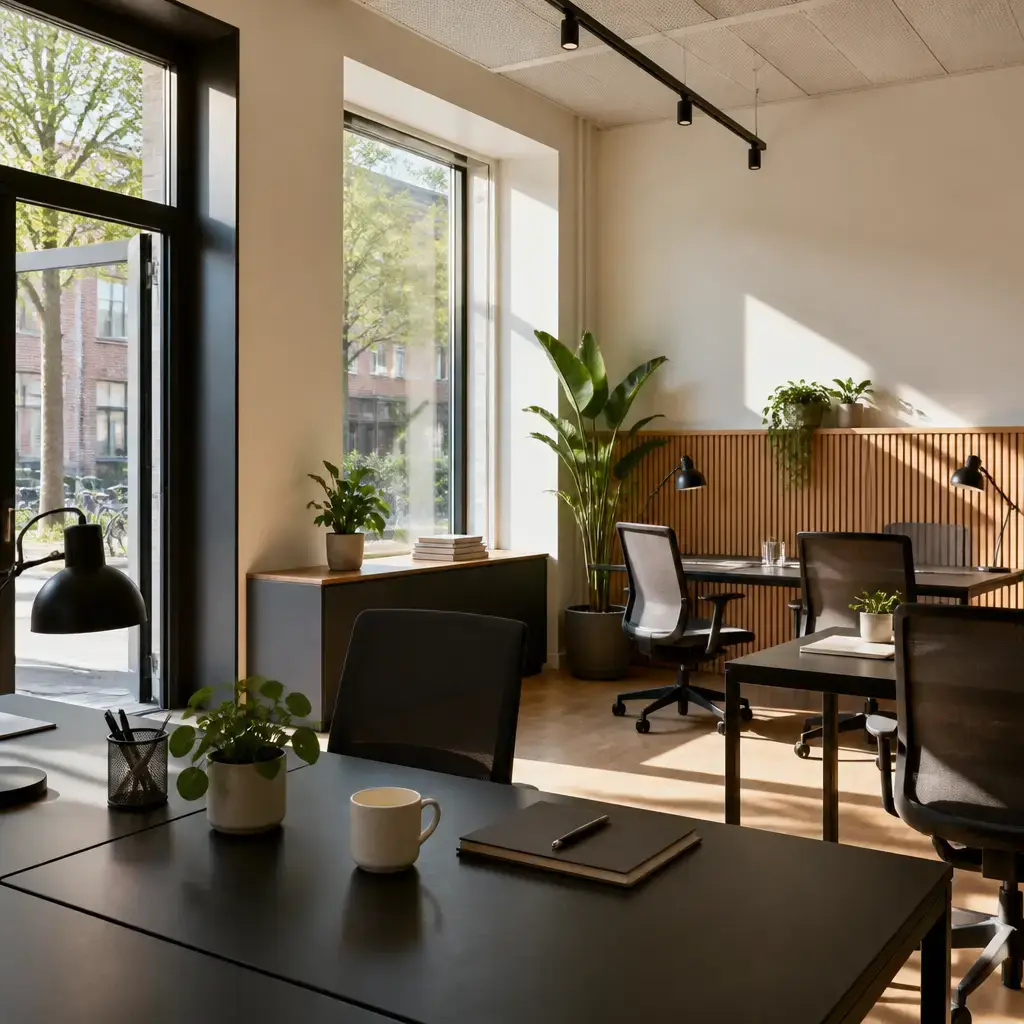
In “Må jeg arbejde på dette fælleskontor?” “Må” asks for permission: “may I…?” It is useful for politely asking whether an action is allowed, as in “Må jeg bruge skrivebordet?”
jeg
“jeg” means “I” and identifies the person speaking in “Må jeg arbejde på dette fælleskontor?” It commonly comes before the verb in a question such as “Må jeg…?” or after the verb in a statement such as “Jeg kan…”. You use it when talking about yourself.
arbejde
In “Må jeg arbejde på dette fælleskontor?” “arbejde” means “work.” It follows “Må jeg” in this permission question; after “kan” or “må,” the verb also appears in this form, as in “kan arbejde.”
på
Here “på” connects “arbejde” with the workplace in “arbejde på dette fælleskontor,” meaning to work at or in this office. The reusable pattern is “arbejde på” followed by a workplace or organization. You use it when saying where you work.
dette
In “dette fælleskontor,” “dette” means “this” and points to one specific office nearby or already understood. Its form fits the word “fælleskontor” in this dialogue. Use “dette” before a specific neuter noun when identifying something.
fælleskontor
“fælleskontor” means “shared office” in “dette fælleskontor.” It names the workplace where the speaker wants to work. The word can be reused after “på,” as in “arbejde på et fælleskontor.”
Vælg
“Vælg” means “choose” in the instruction “Vælg et ledigt skrivebord.” It is used to tell one person to select something. A useful pattern is “Vælg et” followed by the thing being selected, especially when offering options.
et
In “et ledigt skrivebord,” “et” means “a” or “an” and introduces one unspecified desk. It is used with “skrivebord” in this expression. Use “et” before a neuter noun when referring to one non-specific item.
ledigt
“ledigt” means “available” or “open” in “et ledigt skrivebord,” describing a desk that nobody is using. Its form matches “skrivebord” in this dialogue. You can use it before an available place or item, as in “et ledigt sted.”
skrivebord
“skrivebord” means “desk” in “et ledigt skrivebord.” It is the piece of furniture the person is asked to choose. A useful pattern is “et skrivebord” or “bruge et skrivebord” when talking about using one desk.
kan
In “Jeg kan bruge det ved døren,” “kan” means “can” and expresses ability or possibility. It is followed by the verb “bruge” in this sentence. Use “kan” before another verb when saying what someone is able or permitted to do.
bruge
“bruge” means “use” in “Jeg kan bruge det ved døren.” It follows “kan,” so it names the possible action. A reusable pattern is “kan bruge” followed by the thing being used.
det
In “bruge det ved døren,” “det” means “it” or “the one” and refers to the desk understood from the previous line. It lets the speaker avoid repeating “skrivebord.” Use “det” when referring back to a neuter item already mentioned or clear from the situation.
ved
Here “ved” means “near” or “by” in “det ved døren” and locates the desk beside the door. The reusable pattern is “ved” followed by a place or landmark. You use it when identifying something by what it is close to.
døren
“døren” means “the door” in “ved døren,” referring to a specific door in the office. The form is used after “ved” to identify the nearby landmark. You use it when pointing out a particular door rather than a door in general.
Lad
“Lad” means “leave” in the instruction “Lad det være rent,” telling someone to allow the desk to remain clean. It is used before “det være” in this construction. You use “Lad” to give an instruction about how something should remain or be handled.
være
In “Lad det være rent,” “være” means “be” and describes the state the desk should remain in. It follows “Lad det” in this instruction. The reusable pattern is “Lad det være” followed by a description of the desired state.
rent
“rent” means “clean” in “Lad det være rent,” describing the desk after the person finishes. Its form fits the neuter item referred to by “det.” You use it when saying that a shared surface or place should be left clean.
når
“når” means “when” in “når du er færdig,” introducing the time when the instruction applies. It is followed here by the subject “du” and the verb phrase “er færdig.” Use “når” to connect an action with the time it happens.
du
“du” means “you” in “når du er færdig,” referring to the person who is using the desk. It is the subject of the clause after “når.” You use it when addressing one person directly.
er
In “du er færdig,” “er” means “are” and links “du” with the description “færdig.” Together, “er færdig” means “are finished” or “are done.” Use “er” with a person or thing when describing its current state.
færdig
“færdig” means “finished” or “done” in “når du er færdig.” It describes the point at which the person has completed the work. The reusable expression is “er færdig,” used when someone has finished an activity.
har brug for
“har brug for” means “need” in “Jeg har brug for et roligt sted.” The whole expression is used together: “har” means “have,” “brug” contributes the idea of need or use, and “for” completes the expression. It is followed by the thing needed, here “et roligt sted”; use “har brug for” when stating a practical need.
roligt
“roligt” means “quiet” in “et roligt sted,” describing a place without much noise or disturbance. Its form fits “sted” in this dialogue. Use it before a place when explaining that you want somewhere calm for work or another activity.
sted
“sted” means “place” in “et roligt sted.” It refers to a location where the speaker can work quietly. A useful pattern is “et sted” followed by a description, such as “et roligt sted.”
Prøv
“Prøv” means “try” in the instruction “Prøv skrivebordet ved væggen.” It suggests testing or using the desk as a possible solution. Use “Prøv” before a thing or activity when making a helpful suggestion.
skrivebordet
“skrivebordet” means “the desk” in “Prøv skrivebordet ved væggen,” referring to one specific desk. The form identifies a known desk rather than introducing a new one. Use it when both speakers understand which desk is meant.
væggen
“væggen” means “the wall” in “ved væggen,” identifying the specific wall next to the desk. It helps locate “skrivebordet.” Use it after “ved” when describing something positioned by a particular wall.
rydder
In “Jeg rydder mine ting væk,” “rydder” means “clear away” and describes removing the speaker’s belongings from the desk. It is used with “mine ting væk” in this sentence. A reusable pattern is “rydder [things] væk,” used when making a place clear.
mine
“mine” means “my” in “mine ting,” showing that the things belong to the speaker. It is used before the plural noun “ting” here. Use “mine” before several belongings when saying that they are yours.
ting
“ting” means “things” in “mine ting,” referring to the speaker’s belongings on the desk. It is the object of “rydder … væk.” Use it when referring generally to several objects without naming each one.
væk
“væk” means “away” in “rydder mine ting væk,” completing the idea of removing the things from the desk. Together with “rydder” it describes clearing something away. Use it after the thing being removed in the pattern “rydder … væk.”
før
“før” means “before” in “før jeg går,” showing that clearing the things happens earlier than leaving. It introduces the clause “jeg går.” Use “før” to put one action before another action.
går
In “før jeg går,” “går” means “go” or, in this office context, “leave.” It describes the speaker leaving after clearing the desk. Use it after “jeg” when saying that you are going or leaving.
Så
“Så” means “then” or “so” in “Så er skrivebordet klar til den næste person,” linking the earlier action to its result. It shows that the desk is ready because the things have been cleared away. Use “Så” at the start of a sentence when stating a consequence or next result.
klar
“klar” means “ready” in “skrivebordet klar til den næste person.” It describes the desk as prepared for someone else to use. A useful pattern is “klar til” followed by the person or activity for which something is ready.
til
Here “til” means “for” in “klar til den næste person,” showing who the desk is ready for. It follows “klar” in the reusable expression “klar til.” Use this pattern when something is prepared for a person or purpose.
den
“den” is part of “den næste person,” referring to one specific next person who will use the desk. It comes before “næste person” in this phrase. Use it when identifying a particular person or item already defined by the context.
næste
“næste” means “next” in “den næste person,” identifying the person who will use the desk after the current user. It appears before “person” in the noun phrase. Use it to describe the following person, place, or event in an order.
person
“person” means “person” in “den næste person,” referring to the next user of the shared desk. It completes the phrase after “den næste.” Use it when talking about an individual without specifying a name or role.