Der
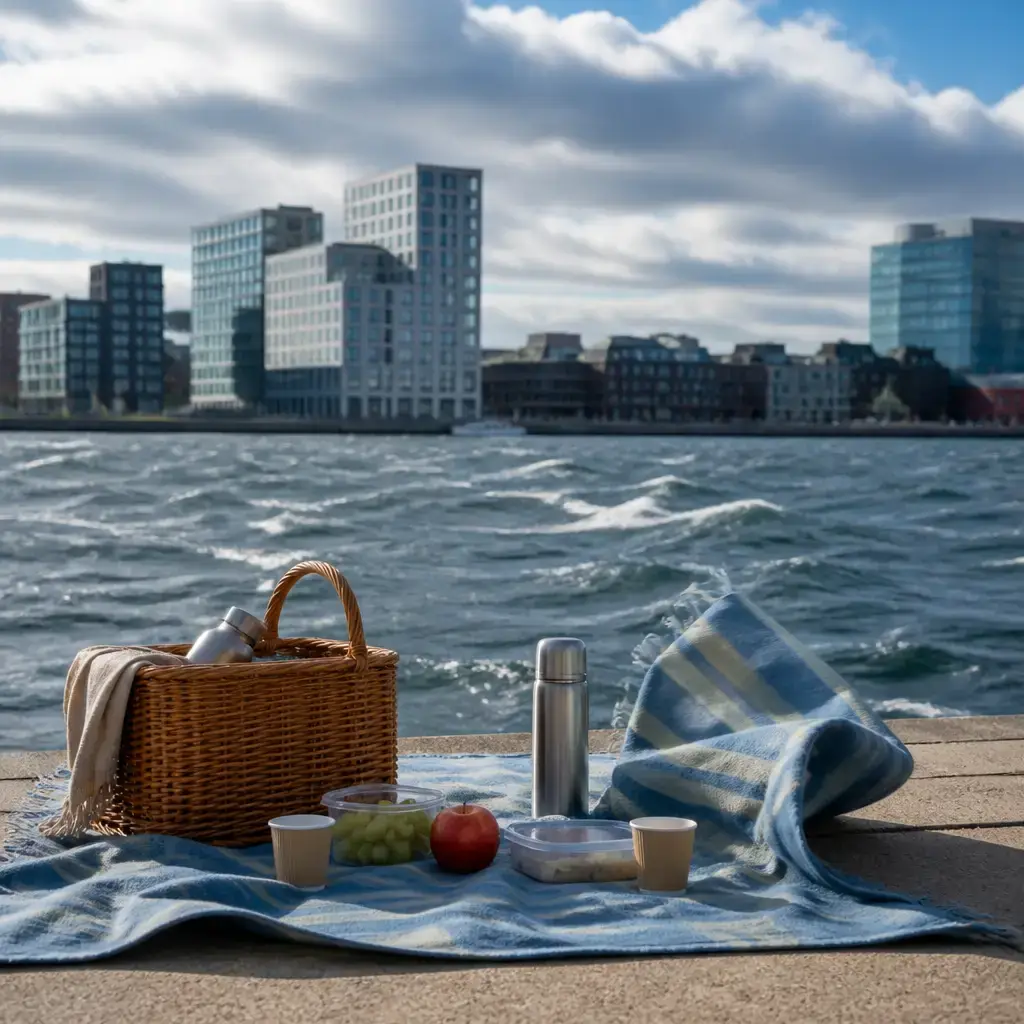
In "Der Wind", "Der" means “the” and introduces the noun Wind. Use it before a masculine noun when that noun is the subject of a statement.
Wind
"Wind" means wind in the sentence about today’s weather. It is the subject in "Der Wind ist viel stärker als gestern" and can be used to talk about weather conditions.
ist
"ist" means “is” and links "Der Wind" with the description "viel stärker als gestern". It is the form used with this singular subject in a present statement.
viel
In "viel stärker", "viel" means “much” and strengthens the comparison. Use it before a comparative form when the difference is large.
stärker
"stärker" means “stronger” and compares today’s wind with yesterday’s wind. It is the comparative form of stark and is used with als to name the thing being compared.
als
In "stärker als gestern", "als" means “than” and introduces the comparison with yesterday. Use it after a comparative adjective when comparing two things or times.
gestern
"gestern" means “yesterday” and identifies the earlier time used for comparison. It is a time word that can be placed after a comparison to specify when something was different.
Ein
In "Ein Picknick", "Ein" means “a” and introduces one picnic as the topic. Use it before a singular noun when referring to an unspecified item or activity.
Picknick
"Picknick" means picnic in the proposed outdoor activity. Here it is the subject of a statement about whether the activity will be comfortable.
könnte
"könnte" expresses that the picnic might be comfortable or not; it presents a possibility rather than a firm fact. It is used with an infinitive such as sein to describe a possible situation.
heute
"heute" means “today” and limits the possible discomfort to the current day. Use it to state when an event or condition applies.
nicht
In "nicht gemütlich sein", "nicht" negates the description and means “not”. It is placed before the adjective in this infinitive construction to deny that the picnic would be pleasant.
gemütlich
"gemütlich" means comfortable or pleasant, especially describing the atmosphere of the picnic. Use it to evaluate whether a place or activity feels pleasant.
sein
In "gemütlich sein", "sein" means “be” and completes the description of the picnic. It is the infinitive used after könnte in this sentence.
Die
In "Die Decke", "Die" means “the” and introduces the blanket being discussed. Use it before this feminine noun when referring to a specific blanket.
Decke
"Decke" means blanket, the object that the wind may blow away. It is the subject of the hypothetical statement about what would happen outside.
würde
"würde" means “would” and presents the blanket flying away as a hypothetical result of the wind. It is used with the infinitive "wegfliegen" at the end of the clause.
immer
In "immer wieder", "immer" contributes the idea that the action keeps recurring. This expression is useful when an event happens repeatedly rather than only once.
wieder
In "immer wieder", "wieder" means “again” and marks the repeated return of the action. Together with immer, it describes something happening over and over.
wegfliegen
"wegfliegen" means “fly away”, describing the blanket being carried away by the wind. It is the infinitive placed after würde and can be used for an object that moves away through the air.
Draußen
"Draußen" means “outside” and identifies where the eating would take place. Use it before an infinitive phrase to state that an activity happens outdoors.
zu
In "zu essen", "zu" marks the infinitive phrase that functions as the activity being discussed. It comes directly before essen in this construction.
essen
In "Draußen zu essen", "essen" means “eat” or “eating” and names the activity that could be difficult. It appears as an infinitive after zu.
auch
"auch" means “also” and adds eating outside as another difficulty after the uncomfortable picnic. Use it to add a further fact, activity, or problem.
schwierig
"schwierig" means “difficult” and describes eating outside under these conditions. It follows könnte auch and is completed by sein.
Sollen
At the start of "Sollen wir absagen", "Sollen" asks whether the speakers should cancel. Use this form at the beginning of a question to suggest a joint action.
wir
"wir" means “we” and refers to the speakers acting together. In "Sollen wir", it identifies the people being asked to make the decision.
absagen
"absagen" means “cancel” and names the proposed action for the picnic. It is the infinitive after Sollen and can be used for cancelling a planned event or meeting.
und
"und" means “and” and connects cancelling with meeting indoors. Use it to join two coordinated actions or ideas.
uns
In "uns ... treffen", "uns" refers back to the group represented by wir and marks the people who will meet. It is used with treffen when the group meets one another.
stattdessen
"stattdessen" means “instead” and introduces the alternative of meeting indoors rather than continuing with the picnic plan. Use it when replacing one proposed action with another.
drinnen
"drinnen" means “indoors” and identifies the suggested location for the meeting. Here it contrasts with draußen and is used before treffen to state where the meeting will happen.
treffen
In "uns ... treffen", "treffen" means “meet” and describes the alternative plan. It is the infinitive after Sollen and is used with uns for the group meeting one another.
Das
In "Das wäre sicherer", "Das" means “that” or “it” and refers to the suggested indoor plan. Use it as the subject when responding to or evaluating a proposal just mentioned.
wäre
"wäre" means “would be” and gives a hypothetical evaluation of the indoor plan. It is the form of sein used here with Das to describe the proposed alternative.
sicherer
"sicherer" means “safer” and evaluates the indoor plan in relation to staying outside in strong wind. It is a comparative adjective used to compare the level of safety between options.
einfacher
"einfacher" means “easier” and gives a second positive evaluation of the indoor plan. It is coordinated with sicherer to describe two advantages of the alternative.
Ich
"Ich" means “I” and identifies the speaker who will communicate the decision. It is the subject at the beginning of the statement about telling the group.
werde
"werde" means “will” and announces a future action by the speaker. With sagen later in the sentence, it forms the statement that the speaker will tell everyone.
es
"es" means “it” and refers to the plan or decision being communicated to the group. Use it as a pronoun for information already clear from the conversation.
allen
In "allen ... sagen", "allen" means “to everyone” and identifies the people who will receive the information. It is useful when saying something to a whole group rather than to one person.
im
In "im Gruppenchat", "im" means “in the” and introduces the communication setting. It is the contracted form of in dem and is used here before Gruppenchat.
Gruppenchat
"Gruppenchat" means group chat and names the place or medium where the information will be shared. In "im Gruppenchat", it identifies the shared chat used by the group.
sagen
In "es allen im Gruppenchat sagen", "sagen" means “tell” or “say” and describes communicating the decision. It is the infinitive at the end of the future construction with werde.
Café
"Café" means cafe and names the proposed indoor meeting place. It is introduced as an option near the park.
in
In "in der Nähe des Parks", "in" contributes the meaning “in” to the phrase describing location near the park. Use it in this location expression before der Nähe.
Nähe
In "in der Nähe des Parks", "Nähe" means vicinity or proximity and indicates that the cafe is near the park. This expression is used to describe the location of one place relative to another.
des
In "des Parks", "des" means “of the” and introduces the park as the reference point for the cafe’s location. It is used in the phrase that specifies what the cafe is near.
Parks
"Parks" means “park” in "des Parks" and identifies the place near which the cafe is located. The ending belongs to the form used after des in this location phrase.
eine
In "eine gute Wahl", "eine" means “a” and introduces the suggested choice. It comes before the feminine noun Wahl and its describing adjective.
gute
"gute" means “good” and evaluates the cafe as a suitable option. It appears before Wahl to describe the quality of the choice.
Wahl
"Wahl" means “choice” and refers to the cafe as the selected alternative. In "eine gute Wahl", it is used to judge whether an option is suitable.