Kann
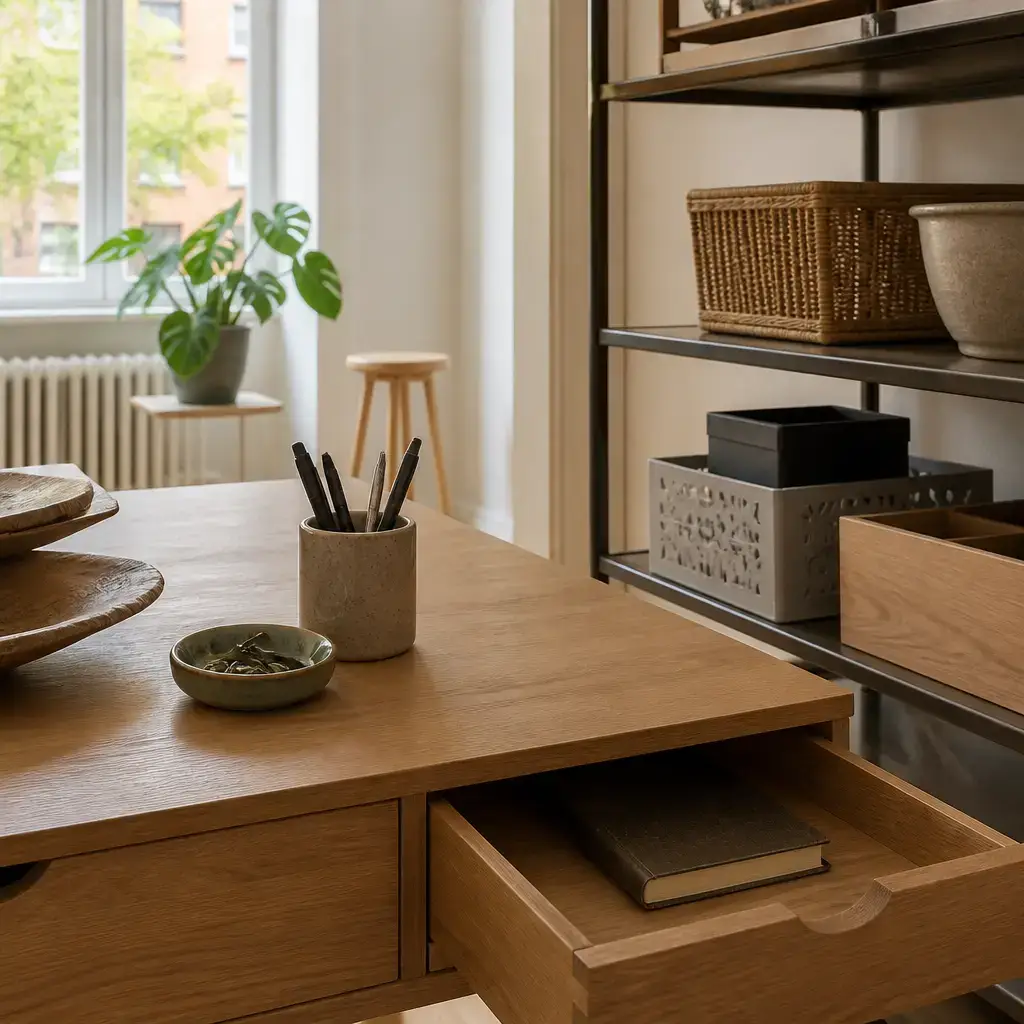
“Kann” in “Kann ich einen Stift benutzen?” asks whether the speaker is allowed to use a pen. It is the form used at the start of a question asking for permission. A useful reuse pattern is “Kann ich ...?” when asking someone politely for permission.
ich
“ich” means “I” and names the person asking or doing something. In “Kann ich einen Stift benutzen?” it is the subject of the question. Use “ich” when talking about yourself as the subject of a sentence.
einen
“einen” means “a” in “einen Stift” and marks the pen as the object of benutzen. It is the form used with this masculine noun in this object position. Reuse it before a masculine noun that is the direct object of an action.
Stift
“Stift” means “pen” in “einen Stift benutzen.” It names the writing tool that the speaker wants to use. Use “Stift” when asking for or talking about a pen.
benutzen
“benutzen” means “to use” in “Kann ich einen Stift benutzen?” It stays in this infinitive form after “Kann.” A useful pattern is a modal verb followed by an infinitive such as “... benutzen” when describing permission to use something.
Nimm
“Nimm” means “take” in “Nimm den schwarzen Stift aus dem Becher.” It is a direct instruction to one person addressed informally. Use “Nimm ...” when telling a familiar person to take something.
den
“den” means “the” in “den schwarzen Stift.” It introduces the specific pen being selected and has the form used for this masculine object. Reuse “den” before a masculine noun when that noun is the direct object.
schwarzen
“schwarzen” means “black” in “den schwarzen Stift.” Its ending matches the form of the article and noun phrase here. Use an adjective before a noun to describe which object is meant, as in “den schwarzen Stift.”
aus
“aus” means “from” or “out of” in “aus dem Becher.” It shows that the pen should be taken from inside the cup. A useful pattern is “aus” plus a place or container when indicating an origin.
dem
“dem” means “the” in “aus dem Becher.” It is the article form used after “aus” in this phrase. Reuse “aus dem” before a masculine or neuter place or container when saying that something comes from it.
Becher
“Becher” means “cup” in “aus dem Becher.” It names the container holding the pen. Use “Becher” when referring to a cup or similar container.
brauche
“brauche” means “need” in “Ich brauche auch ein Notizbuch.” It expresses the speaker’s need for another item. A useful pattern is “Ich brauche” followed by the thing that is needed.
auch
“auch” means “also” or “too” in “Ich brauche auch ein Notizbuch.” It adds the notebook to the pen already being discussed. Use “auch” to include an additional person, thing, or need.
ein
“ein” means “a” in “ein Notizbuch.” It introduces one unspecified notebook that the speaker needs. Reuse “ein” before a neuter noun in a phrase like this.
Notizbuch
“Notizbuch” means “notebook” in “ein Notizbuch.” It names the second item needed for writing. Use “Notizbuch” when asking for or describing a notebook.
In
“In” means “in” in “In der Schublade.” It places the notebook inside the drawer. Use “in” with a place or container when describing where something is located.
der
“der” means “the” in “In der Schublade.” It is the article form used with “Schublade” in this location phrase. Reuse “in der” before a feminine place or container when describing a fixed location.
Schublade
“Schublade” means “drawer” in “In der Schublade.” It identifies the place where the old notebook is located. Use “Schublade” when talking about a drawer as a storage place.
ist
“ist” means “is” in “In der Schublade ist ein altes Notizbuch.” Here, the whole sentence expresses that there is an old notebook in the drawer; “ist” itself is the verb “is.” A useful reuse pattern is a location phrase followed by “ist” and the item located there.
altes
“altes” means “old” in “ein altes Notizbuch.” It describes the notebook as not new, and its ending matches this noun phrase. Use an adjective before a noun to describe an item, as in “ein altes Notizbuch.”
muss
“muss” means “must” or “need to” in “Ich muss nur eine kurze Liste schreiben.” It expresses that writing the list is necessary for the speaker. A useful pattern is “Ich muss” followed by an infinitive for something the speaker needs to do.
nur
“nur” means “only” in “Ich muss nur eine kurze Liste schreiben.” It limits the task to writing a short list. Use “nur” to show that the action or amount is limited.
eine
“eine” means “a” in “eine kurze Liste.” It introduces one unspecified list and has the form used with this feminine object. Reuse “eine” before a feminine noun in a direct-object phrase like this.
kurze
“kurze” means “short” in “eine kurze Liste.” It describes the list and has the ending used with this noun phrase. Use an adjective before a noun when specifying its length or another quality.
Liste
“Liste” means “list” in “eine kurze Liste schreiben.” It names the written item the speaker needs to make. Use “Liste” when talking about a list of items or information.
schreiben
“schreiben” means “to write” in “Ich muss nur eine kurze Liste schreiben.” It appears in the infinitive form after “muss” and comes at the end of the clause. Use an infinitive after “muss” to describe the necessary action.
Bring
“Bring” means “bring” in “Bring beide zurück.” It is an informal singular instruction to return the two items. A useful pattern is “Bring” plus the object and “zurück” when telling someone to bring something back.
beide
“beide” means “both” in “Bring beide zurück.” It refers to the two borrowed items together: the pen and the notebook. Use “beide” when referring to two known people or things as a group.
zurück
“zurück” means “back” in “Bring beide zurück.” It adds the idea that the items should return to their previous place or owner. Use it with a verb of movement when describing a return.
wenn
“wenn” means “when” in “wenn du fertig bist.” It introduces the time or condition for bringing the items back. A useful pattern is “wenn” followed by a clause whose verb comes at the end.
du
“du” means “you” in “wenn du fertig bist.” It refers to the person who borrowed the pen and notebook. Use “du” when addressing one person informally.
fertig
“fertig” means “finished” or “done” in “wenn du fertig bist.” It describes the person as having completed the writing task. The phrase “wenn du fertig bist” is useful when telling someone to do something after they finish.
bist
“bist” means “are” in “wenn du fertig bist.” It is the form used with “du” to say that the person is finished. In the subordinate clause “wenn du fertig bist,” it comes at the end.
lege
“lege” means “put” or “place” in “Ich lege sie auf deinen Schreibtisch.” It describes the speaker placing the pen and notebook on the desk. A useful pattern is “Ich lege” followed by an object and its destination.
sie
“sie” means “them” in “Ich lege sie auf deinen Schreibtisch.” It refers back to both borrowed items, the pen and the notebook. Use “sie” to avoid repeating known plural objects.
auf
“auf” means “on” in “auf deinen Schreibtisch.” It introduces the surface that will receive the items. Use “auf” with a destination when describing placing something onto a surface.
deinen
“deinen” means “your” in “deinen Schreibtisch.” It identifies the desk as belonging to the person being addressed informally. Its form is used with this masculine object phrase. Reuse a possessive word before the noun that belongs to someone.
Schreibtisch
“Schreibtisch” means “desk” in “auf deinen Schreibtisch.” It names the place where the pen and notebook will be put back. Use “Schreibtisch” when talking about a desk as a work surface.
Dann
“Dann” means “then” in “Dann sind sie leicht zu finden.” It connects the placement of the items with the result that follows. Use “Dann” to describe what happens as a consequence or next step.
sind
“sind” means “are” in “Dann sind sie leicht zu finden.” It links “sie,” referring to the two items, with the description “leicht zu finden.” A useful pattern is a plural subject followed by “sind” and a description.
leicht
“leicht” means “easy” in “leicht zu finden.” It says that locating the items will not be difficult. A useful pattern is an adjective followed by “zu” and an infinitive to describe how easy an action is.
zu
“zu” is the infinitive marker in “leicht zu finden.” Together with “finden,” it forms the idea “easy to find.” Reuse “zu” before an infinitive after an adjective in a construction such as “leicht zu finden.”
finden
“finden” means “find” in “leicht zu finden.” It describes locating the pen and notebook after they have been placed on the desk. It appears after “zu” in the reusable pattern “leicht zu finden.”