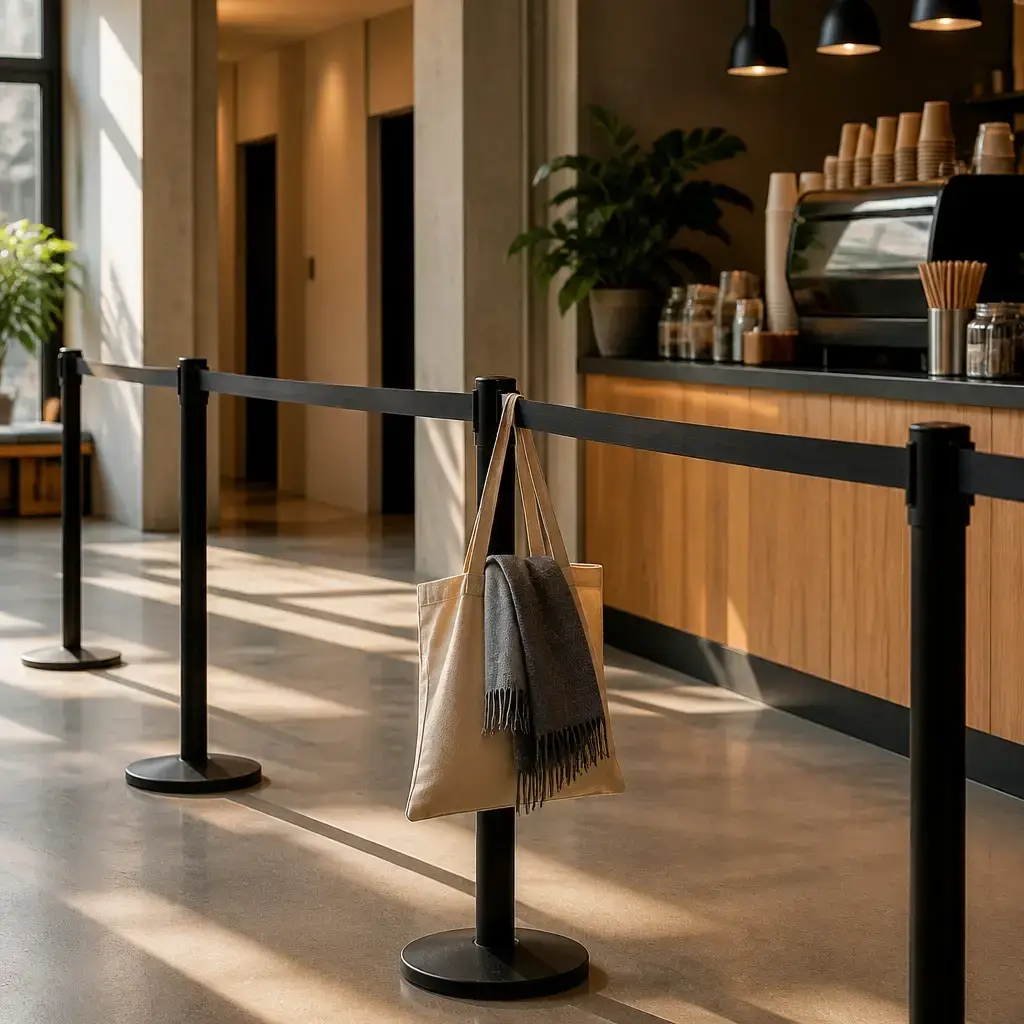
Kan
In “Kan du gøre mig en hurtig tjeneste?” and “Det kan jeg”, “Kan” or “kan” expresses ability and is also used to make a request. It is followed by the subject and an infinitive, as in “Kan du gøre”. Use “Kan du ...?” for a polite everyday request.
du
“du” means “you” and refers to the person being asked. In “Kan du gøre” and “Kan du holde”, it comes after “Kan” and before the infinitive. Use “du” when addressing one person informally.
gøre
“gøre” means “do” in “gøre mig en hurtig tjeneste”, the expression used for doing someone a favor. It follows “Kan du” in this request. A reusable pattern is “gøre nogen en tjeneste”, meaning to do someone a favor.
mig
In “gøre mig en hurtig tjeneste”, “mig” means “me”, the person who receives the favor. It is also used in “Jeg skynder mig”, where it refers back to the speaker. Use “mig” after an action directed toward the speaker, or in a reflexive expression such as “skynder mig”.
en
“en” means “a” in “en hurtig tjeneste”, introducing one unspecified favor. It comes directly before the noun phrase “hurtig tjeneste”. Use “en” before a common-gender singular noun when introducing one item.
hurtig
“hurtig” means “quick” in “en hurtig tjeneste”, describing a favor that should take little time. It comes before the noun “tjeneste”. Use “hurtig” before a noun when describing something as quick.
tjeneste
“tjeneste” means “favor” in “en hurtig tjeneste”. Together, “gøre mig en hurtig tjeneste” asks someone to do something helpful for the speaker. Use “tjeneste” in the pattern “gøre nogen en tjeneste” when asking about or offering a favor.
Hvad
“Hvad” means “what” in “Hvad har du brug for?”, asking which thing or help the other person needs. It begins the question and comes before “har du brug for”. Use “Hvad ...?” to ask for information about a thing or need.
har
“har” means “have” in the expression “har du brug for”, which means “need” in this question. With “du”, it asks what the other person needs. A reusable pattern is “Hvad har du brug for?” for asking what someone needs.
brug
In “har du brug for”, “brug” contributes the idea of use or need; the whole expression means “need”. It is used together with “har” and “for”, not as a standalone translation of the whole question. Use “have brug for” before the thing or help that someone needs.
for
In “har du brug for”, “for” completes the expression meaning “need”. Its meaning here comes from the full construction “har du brug for”, rather than from “for” alone. Use “have brug for” followed by the needed thing or help.
holde
“holde” means “keep” or “hold” in “holde min plads”, meaning to keep the speaker’s place in line. It follows “Kan du” as the action being requested. Use “holde” with a place, position, or object that someone is asked to keep.
min
“min” means “my” in “min plads”, identifying the place as belonging to the speaker. It comes directly before “plads”. Use “min” before a singular noun when referring to something that belongs to or is associated with the speaker.
plads
“plads” means “place” or “spot” in “holde min plads”, specifically the speaker’s position in the line. The phrase asks the other person not to let that position be lost. Use “plads” for a physical place or a person’s position.
mens
“mens” means “while” in “mens jeg går på toilettet”, linking the requested action with something happening during the same time. It introduces the clause “jeg går på toilettet”. Use “mens” before an action that takes place at the same time as another action.
jeg
“jeg” or “Jeg” means “I” and refers to the speaker. In “mens jeg går på toilettet”, it introduces the speaker’s action, while in “Det kan jeg” it identifies the person who can do something. Use “jeg” as the subject when talking about yourself.
går
“går” means “go” in “går på toilettet”, the usual expression used here for going to the restroom. It is the verb after “jeg”. Use “går” with a destination or activity to say that you go somewhere.
på
In “går på toilettet”, “på” is the preposition used in the expression for going to the restroom. Its contribution depends on this complete phrase, not on a general translation as only “to” or “on”. Reuse the pattern “gå på toilettet” when saying that someone goes to the restroom.
toilettet
“toilettet” means “the restroom” or “the toilet” in “går på toilettet”. The ending shows that the phrase refers to a specific restroom or toilet. Use “toilettet” in the expression “gå på toilettet” for an everyday restroom reference.
Det
“Det” means “it” or “that” in “Det kan jeg”, referring back to the requested action of keeping the place. Together with “kan jeg”, it means that the speaker can do it. Use “Det kan jeg” to agree that you can carry out an action just mentioned.
men
“men” means “but” and introduces a condition or limitation in “men kom hurtigt tilbage”. It connects agreeing to help with asking the other person to return quickly. Use “men” to link an idea with a contrasting point.
kom
“kom” means “come” in “kom hurtigt tilbage”, telling the other person to return quickly. It is a direct request addressed to “du”. Use “kom” in a short instruction when asking someone to come.
hurtigt
“hurtigt” means “quickly” in “kom hurtigt tilbage”, describing how the person should return. It modifies the action “kom ... tilbage”. Use “hurtigt” after a verb when saying that an action should happen quickly.
tilbage
“tilbage” means “back” in “kom hurtigt tilbage”, showing movement back to the line or the previous place. It follows the verb “kom”. Use “komme tilbage” when someone returns to a place.
hvis
“hvis” or “Hvis” means “if” and introduces a condition in “hvis køen begynder at bevæge sig” and “Hvis køen bevæger sig”. The main action depends on whether the line moves. Use “hvis” before a condition that may happen.
køen
“køen” means “the line” or “the queue” and refers to the line of people in “køen begynder at bevæge sig” and “køen bevæger sig”. It is the subject of the movement. Use “køen” when referring to a specific line that both speakers know.
begynder
“begynder” means “starts” or “begins” in “begynder at bevæge sig”. It introduces the beginning of the line’s movement. A reusable pattern is “begynder at” followed by an infinitive for an action that starts.
at
“at” is the infinitive marker in “at bevæge sig”. It links “begynder” with the infinitive action that starts. Use “begynder at” before an infinitive when saying that an action begins.
bevæge
“bevæge” means “move” in “bevæge sig”, describing the line changing position. It is used with the reflexive word “sig” in this expression. Use “begynde at bevæge sig” when something starts moving.
sig
In “bevæge sig”, “sig” is the reflexive component that makes the expression mean “move” or “move itself”. The full expression describes the line moving, rather than someone moving another object. Use “bevæge sig” for a person, group, or thing that moves itself.
er
“er” means “am” in “Jeg er straks tilbage”, stating the speaker’s condition of being back very soon. It is used with “jeg” and the expression “straks tilbage”. Use “er” with a person or thing to describe a state or location.
straks
“straks” means “right away” or “immediately” in “Jeg er straks tilbage”. It shows that the speaker expects to return very soon. Use “straks” to say that something will happen without delay.
bevæger
“bevæger” means “moves” in “køen bevæger sig”, describing the line changing position. It is used together with “sig” in this sentence. Use “bevæger sig” when describing a person, group, or thing moving.
fremad
“fremad” means “forward” in “går jeg fremad”, describing movement toward the front of the line. It specifies the direction of the movement. Use “gå fremad” when saying that someone moves forward.
og
“og” means “and” in “går jeg fremad og holder din plads”, joining two actions by the same speaker. The two actions are moving forward and keeping the other person’s place. Use “og” to connect actions or ideas.
holder
“holder” means “keeps” or “holds” in “holder din plads”, saying that the person will preserve the other person’s position in line. It is coordinated with “går” by “og”. Use “holder” with a place or position when saying that it remains reserved.
din
“din” means “your” in “din plads”, identifying the place as belonging to the person being addressed. It comes before “plads”. Use “din” before a singular noun when referring to something associated with the person you are speaking to.
Tak
“Tak” means “thanks” in “Tak”, expressing gratitude for the other person’s help. It can stand alone as a brief reply. Use “Tak” when thanking someone in everyday conversation.
skynder
In “Jeg skynder mig”, “skynder” contributes the meaning “hurries”, and the full expression means that the speaker will hurry. It is used with “mig” in this dialogue. Use “skynde sig” when saying that someone hurries.
kommer
“kommer” means “comes” or “returns” in “kommer direkte tilbage”, referring to the speaker returning to the line. It is followed by the direction word “tilbage”. Use “komme tilbage” when saying that someone returns to a place.
direkte
“direkte” means “directly” or “straight” in “kommer direkte tilbage”, emphasizing that the speaker will return without stopping elsewhere. It modifies the return described by “kommer tilbage”. Use “direkte tilbage” when promising to return straight away or without a detour.