About This Lesson
Use What to bring to practice Danish conversation, pronunciation, vocabulary, grammar, and quizzes.
Dialogue
A
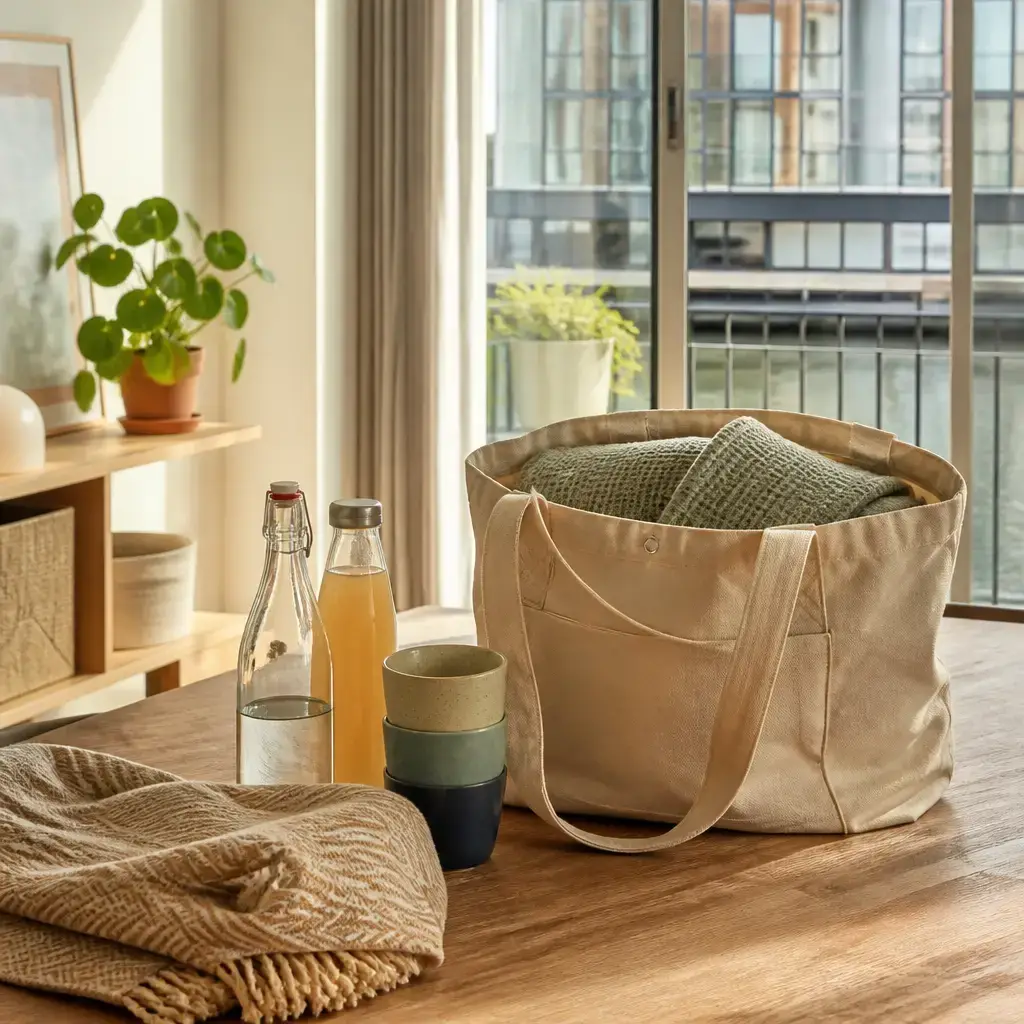
Hvad skal jeg tage med?
veh skel yai TAY-uh meh? What should I bring with me?
B
Tag et lille tæppe med, tak.
tay eht LIL-uh TEP-uh meh, tahg. Please bring a small blanket.
A
Skal vi også have drikkevarer med?
skel vee OSS-oh HAY-vuh DREG-uh-vair meh? Do we need drinks too?
B
Det ville være rart med en kold drik.
deh VEL-uh VAIR-uh RAHRD meh en KOHL DREG. A cold drink would be nice.
A
Jeg kan tage nogle kopper med.
yai kan TAY-uh NOH-luh KOP-uh meh. I can bring some cups.
B
Det ville hjælpe, tak. Vi kan dele dem.
deh VEL-uh YEL-buh, tahg. vee kan DAY-luh dem. That would help, thanks. We can share them.
A
De kan være i min taske.
dee kan VAIR-uh ee men TAS-guh. They can fit in my bag.
B
Så er vi klar.
soh air vee KLAHR. Then we're ready.Word by Word
Hvad
In “Hvad skal jeg tage med?” this means “what” and asks which item the speaker should bring. It is useful in the reusable question pattern “Hvad skal jeg ...?” when asking what someone should do or bring.
skal
In “Hvad skal jeg tage med?” and “Skal vi også have drikkevarer med?” this expresses what someone should or needs to do. It comes before the action form in these questions, so “skal jeg tage” asks what I should bring and “Skal vi have” asks whether we need to have something along.
jeg
“jeg” means “I” and identifies the speaker in “skal jeg tage med” and “Jeg kan tage nogle kopper med.” It is used before the verb when the speaker describes their own action or ability.
tage
In “tage med” this means “bring” or “take along,” as in “Hvad skal jeg tage med?” The reusable pattern is “tage [something] med,” used when taking an item to a place or event.
med
In “tage med” and “have drikkevarer med,” “med” adds the meaning “along” or “with” for something brought to the outing. It stays after the item-related verb in these dialogue expressions.
Tag
In “Tag et lille tæppe med, tak.” this is a direct request meaning “Bring” or “Take along.” It is the command form used before the item and “med” in a polite request.
et
In “et lille tæppe,” “et” means “a” and introduces the blanket being requested. It appears directly before “lille tæppe” in this noun phrase.
lille
In “et lille tæppe,” “lille” means “small” and describes the blanket. It is placed before the noun in this adjective-and-noun combination.
tæppe
“tæppe” means “blanket” and is the item that the speaker asks the other person to bring in “et lille tæppe.” The reusable pattern is an article and description before the item, as in “et lille tæppe.”
tak
At the end of “Tag et lille tæppe med, tak,” “tak” makes the request polite and means “please” here. It can be placed at the end of a request in the same way as in this dialogue.
vi
“vi” means “we” and refers to both friends in “Skal vi også have drikkevarer med?” and “Vi kan dele dem.” It is used as the subject when the speaker includes the other person in the action.
også
In “Skal vi også have drikkevarer med?” “også” means “too” or “also,” adding drinks to the items already being considered. It appears before the phrase about having drinks along.
have
In “have drikkevarer med,” “have” contributes the meaning of having drinks along for the outing. The reusable pattern is “have [something] med,” with the item between “have” and “med.”
drikkevarer
“drikkevarer” means “drinks” or “beverages” and names the items the friends consider bringing. It is used after “have” in “have drikkevarer med” to identify what they may have along.
Det
In “Det ville være rart med en kold drik,” “Det” means “it” or “that” and refers to the suggested drink or situation. It is the subject at the beginning of this statement about what would be pleasant.
ville
In “Det ville være rart med en kold drik,” “ville” means “would” and presents the speaker’s suggestion as a possibility or polite opinion. It is followed by “være” in the expression describing what would be nice.
være
In “ville være rart,” “være” means “be” and completes the idea “would be nice.” It follows “ville” in this reusable pattern for describing a possible or desired situation.
rart
In “Det ville være rart med en kold drik,” “rart” means “nice” or “pleasant.” It describes the suggested cold drink as something welcome in this situation.
en
In “en kold drik,” “en” means “a” and introduces one drink. It comes before the adjective and noun in this phrase.
kold
In “en kold drik,” “kold” means “cold” and describes the drink. It is placed between “en” and “drik” in this noun phrase.
drik
“drik” means “drink” and identifies the single cold beverage in “en kold drik.” The reusable pattern is “en [description] drik” when referring to one drink with a description.
kan
In “Jeg kan tage nogle kopper med” and “Vi kan dele dem,” “kan” means “can” and expresses ability or possibility. It comes before the action form, as in “kan tage” and “kan dele.”
nogle
In “nogle kopper,” “nogle” means “some” and indicates an unspecified amount of cups. It is placed before the plural item being brought.
kopper
“kopper” means “cups” and names the items the speaker offers to bring in “nogle kopper.” It follows “nogle” because the phrase refers to more than one cup.
hjælpe
In “Det ville hjælpe,” “hjælpe” means “help” and expresses that the offered cups would be useful. It follows “ville” in this dialogue expression about a possible benefit.
dele
In “Vi kan dele dem,” “dele” means “share” and describes what the friends can do with the cups. The reusable pattern is “dele dem,” where “dem” refers to the things being shared.
dem
In “Vi kan dele dem,” “dem” means “them” and refers to the cups mentioned just before. It comes after “dele” as the object of the action.
De
In “De kan være i min taske,” “De” means “they” and refers to the cups. It is the subject at the beginning of the sentence about where the items can fit.
i
In “i min taske,” “i” means “in” and introduces the place containing the items. The reusable pattern is “[something] være i [place],” as in “De kan være i min taske.”
min
In “min taske,” “min” means “my” and shows that the bag belongs to the speaker. It comes directly before the noun it describes.
taske
“taske” means “bag” and names the container in “min taske.” The phrase is used to say that the cups can be in the speaker’s bag.
Så
At the beginning of “Så er vi klar,” “Så” means “then” and marks the result after the items have been decided and checked. It is useful for linking a completed step to what follows.
er
In “Så er vi klar,” “er” means “are” and links “vi” with the state “klar.” It is used here to say that the friends are now ready.
klar
In “Så er vi klar,” “klar” means “ready” and describes the friends’ state after preparing what to bring. The pattern “er ... klar” is used to say that someone is ready.
Grammar Points
nogle + plural noun
nogle kopper
NOH-luh KOP-uhsome cups
Use nogle before a plural noun to mean “some.”
Danish Vocabulary
drikkevarer
noun
DREG-uh-vair
drinks; beverages
have
verb
HAY-vuh
have; need
hvad
pron
veh
what
jeg
pron
yai
I
kold
adj
KOHL
cold
- Gender
- common
lille
adj
LIL-uh
small
også
adv
OSS-oh
also; too
rart
adj
RAHRD
nice; pleasant
- Gender
- neuter
tag
verb
tay
bring; take
Tag
tage med
phrase
TAY-uh meh
bring; take along
tæppe
noun
TEP-uh
blanket
- Gender
- neuter
være
verb
VAIR-uh
be
Quiz
Word Order
Arrange the words in the correct order.
What should I bring with me?
Show Answer
Hvad skal jeg tage med?Please bring a small blanket.
Show Answer
Tag et lille tæppe med, tak.Do we need drinks too?
Show Answer
Skal vi også have drikkevarer med?Spelling
Tap the letters to spell the word.
what
Show Answer
hvadhave; need
Show Answer
haveblanket
Show Answer
tæppealso; too