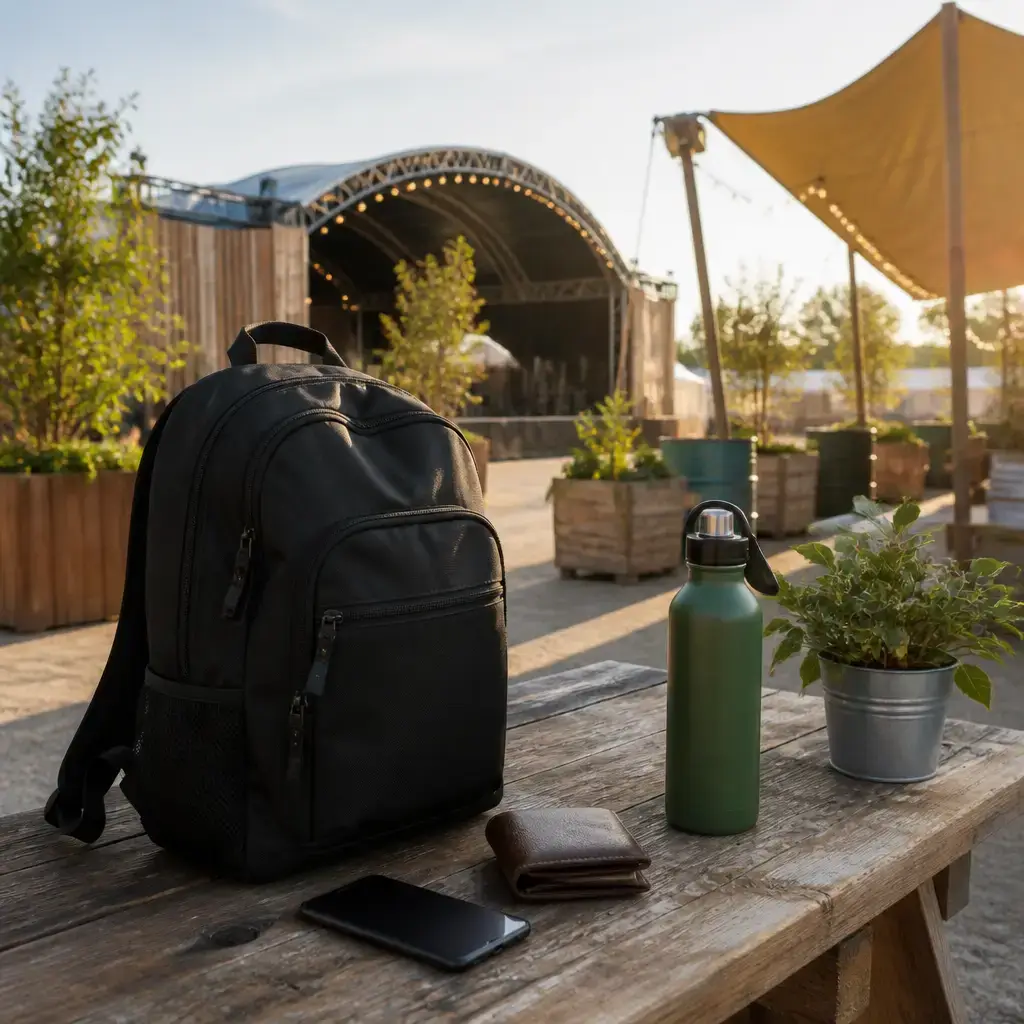
Dieses
Dieses means “this” in Dieses Festival and points to the festival being discussed. It is used directly before a noun, as in Dieses Festival or Dieses Problem.
Festival
Festival means “festival” here. The word names the crowded event, and it can be used after a determiner such as Dieses Festival.
ist
ist means “is” and links the festival with the description viel voller. A reusable pattern is Das ist + a description.
viel
viel strengthens the comparison viel voller, meaning “much more crowded.” It can be placed before a comparative adjective to show a large difference, as in viel größer.
voller
voller means “more crowded” in Dieses Festival ist viel voller. It is the comparative form used to compare the festival with what was expected; a common pattern is etwas ist voller als etwas anderes.
als
als introduces the second part of the comparison in voller, als ich erwartet habe. It is used after a comparative form, as in größer als erwartet.
ich
ich means “I”; the dialogue uses it in both ich and Ich. It identifies the speaker as the person who expected something and will move the phone.
erwartet
erwartet means “expected” in ich erwartet habe. Together with habe, it describes what the speaker had expected; a reusable pattern is Ich habe das nicht erwartet.
habe
habe is used with erwartet in ich erwartet habe to express the speaker’s earlier expectation. The reusable pattern Ich habe + a past participle is common for talking about something one has done or experienced.
Bewahre
Bewahre gives the direct instruction “keep” or “store” in Bewahre deine Wertsachen ... auf. It is used at the beginning of a command, followed by the object and the separable part auf.
deine
deine means “your” in deine Wertsachen. It shows that the valuables belong to the person being addressed and comes before the plural noun Wertsachen.
Wertsachen
Wertsachen means “valuables,” meaning important personal items such as the phone and wallet in this scene. A reusable pattern is persönliche Wertsachen sicher aufbewahren.
in
in means “in” and places the valuables inside the pocket in in einer Tasche mit Reißverschluss. For a fixed location, in can be used with a container or place, such as in einer Tasche.
einer
einer means “a” in einer Tasche and introduces the particular pocket being recommended. It appears before the feminine noun Tasche in this location phrase; a reusable pattern is in einer Tasche.
Tasche
Tasche means “pocket” or “bag” here, specifically the zippered compartment for the valuables. It can be followed by a description with mit, as in Tasche mit Reißverschluss.
mit
mit means “with” and introduces the feature that identifies the Tasche: mit Reißverschluss. A reusable pattern is a noun followed by mit + a feature, such as eine Tasche mit einem Fach.
Reißverschluss
Reißverschluss means “zipper” in Tasche mit Reißverschluss. It names the closing device of the pocket, and it can be used after mit to describe a container.
auf
auf completes the storage instruction in Bewahre deine Wertsachen in einer Tasche mit Reißverschluss auf. It is the separable part of the verb used for putting or keeping something stored; in a command, it appears at the end.
nicht
nicht means “not” and excludes the outside pocket in nicht in der Außentasche. It can come directly before the place or option that should be rejected.
der
der means “the” in der Außentasche and identifies the outside pocket. Here it comes before the feminine noun Außentasche in the phrase in der Außentasche.
Außentasche
Außentasche means “outside pocket” or “outside pouch.” It names the less secure location that the speaker says not to use; the compound combines Außen with Tasche.
stecke
stecke means “put” or “place” in Ich stecke mein Handy um. Together with um, it describes moving the phone to another position; a reusable pattern is Ich stecke etwas in eine Tasche.
mein
mein means “my” in mein Handy. It marks the phone as belonging to the speaker and comes directly before the noun.
Handy
Handy means “mobile phone” in this dialogue. It is the item the speaker moves for safety, and it can be used after a possessive such as mein Handy.
um
um completes the movement expression in Ich stecke mein Handy um, meaning that the phone is put in another position. With this verb, um appears after the object in a main clause.
bevor
bevor means “before” and introduces the event that should happen later: bevor mich die Musik ablenkt. It connects a planned action with a following time clause, as in Ich gehe, bevor es dunkel wird.
mich
mich means “me” in bevor mich die Musik ablenkt. It identifies the person affected by the music, and a reusable pattern is etwas lenkt mich ab.
die
die means “the” in die Musik and introduces the music that may cause the distraction. It comes directly before the feminine noun Musik.
Musik
Musik means “music” in the time clause bevor mich die Musik ablenkt. It is the thing that may distract the speaker, and it can be used after die in die Musik.
ablenkt
ablenkt means “distracts” in bevor mich die Musik ablenkt. It describes something drawing a person’s attention away; a reusable pattern is etwas lenkt jemanden ab.
Mach
Mach means “do” in the short instruction Mach das jetzt. It is used to tell the other person to carry out an already understood action.
das
das means “that” or “it” in Mach das jetzt, referring to the action just mentioned; the capitalized form Das begins Das wäre ... and means “that.” It can refer back to an action or situation already known from the conversation.
jetzt
jetzt means “now” and makes the instruction immediate in Mach das jetzt. It is commonly placed at the end of a short command or instruction.
Taschendiebe
Taschendiebe means “pickpockets,” the people who may try to steal from distracted visitors. The compound combines Tasche with Diebe and is used here as the subject of the warning.
oft
oft means “often” and describes a repeated behavior in Taschendiebe halten oft Ausschau. It can be placed near the verb to indicate frequency.
Ausschau halten
The construction means “to watch or look out for” someone or something. In the dialogue, halten oft Ausschau is completed by nach Leuten; Ausschau contributes the idea of looking out, while halten forms the fixed expression. A reusable pattern is nach jemandem Ausschau halten.
nach
nach means “for” in Ausschau halten nach Leuten and introduces the people being watched for. It is part of the reusable pattern nach jemandem Ausschau halten.
Leuten
Leuten means “people” in nach Leuten. It refers to visitors who stop paying attention, and it follows nach in this expression; a reusable pattern is nach Leuten fragen.
mehr
mehr means “any longer” in nicht mehr aufpassen, because the negation changes its meaning from “more” to “no longer.” The reusable pattern nicht mehr + verb describes an action that has stopped.
aufpassen
aufpassen means “pay attention” in nicht mehr aufpassen. It is used as an infinitive after die Leute, die ... and commonly appears with auf when naming what someone is paying attention to.
Soll
Soll means “should” in Soll ich meinen Rucksack ... tragen? and asks whether the suggested action is appropriate. A reusable question pattern is Soll ich + infinitive?
meinen
meinen means “my” in meinen Rucksack. It marks the backpack as belonging to the speaker and appears before the masculine noun Rucksack in this phrase.
Rucksack
Rucksack means “backpack” in meinen Rucksack. It is the item the speaker considers carrying in front, and it can be used after a possessive such as mein Rucksack.
vor
vor means “in front of” in vor mir. It describes the position of the backpack relative to the speaker; a reusable pattern is etwas vor sich tragen.
mir
mir means “me” in vor mir and identifies the reference point for the position. Together with vor, it forms the phrase vor mir, meaning “in front of me.”
tragen
tragen means “carry” or “wear” in Soll ich meinen Rucksack vor mir tragen? It is the infinitive after Soll ich and describes having the backpack positioned in front of the body.
wäre
wäre means “would be” in Das wäre ... sicherer and presents a possible result rather than a simple fact. A reusable pattern is Das wäre + an adjective when evaluating a proposed action.
Nähe
Nähe means “vicinity” or “nearby area” in in der Nähe der Essensstände. The reusable location pattern is in der Nähe von + a place or person.
Essensstände
Essensstände means “food stalls” in der Nähe der Essensstände. It names the stalls near which the backpack should be carried in front; the compound combines Essen with Stände.
und
und means “and” and links Essensstände with Eingangstore in the same location phrase. It joins two equivalent places or items, as in A und B.
Eingangstore
Eingangstore means “entrance gates.” It identifies another crowded area where carrying the backpack in front would be safer; the compound combines Eingang with Tore.
sicherer
sicherer means “safer” in Das wäre ... sicherer. It compares the suggested arrangement with the less secure alternative, and a reusable pattern is Diese Lösung ist sicherer.
meine
meine means “my” in meine Geldbörse. It marks the wallet as belonging to the speaker and comes before the feminine noun Geldbörse.
Geldbörse
Geldbörse means “wallet” in meine Geldbörse. It is one of the valuables being moved into a safer pocket; it can be used after a possessive such as meine Geldbörse.
auch
auch means “also” or “too” and adds the wallet to the safety measure already discussed. It can be placed before the location phrase, as in Ich lege es auch in die Tasche.
Innentasche
Innentasche means “inside pocket.” It names the more protected location for the wallet, and the compound combines Innen with Tasche.
So
So means “that way” in So ist sie schwerer zu erreichen and refers to the arrangement just described. It can introduce the result of an action, as in So wird es einfacher.
sie
sie means “it” here and refers back to the feminine noun Geldbörse. The same spelling can also mean “she,” so the context and the reference to the wallet determine the meaning here.
schwerer
schwerer means “harder” in schwerer zu erreichen. It compares how difficult it is to reach the wallet in the inside pocket; a reusable pattern is etwas ist schwerer zu + infinitive.
zu
zu marks the infinitive in both zu erreichen and zu machen. It is used before the verb in infinitive constructions such as schwerer zu erreichen and ohne sich Sorgen zu machen.
erreichen
erreichen means “reach” in schwerer zu erreichen. The phrase describes how accessible the wallet is, and a reusable pattern is etwas ist leicht oder schwer zu erreichen.
Aber
Aber means “but” and introduces a reassuring point that contrasts with the safety precautions. It can begin a sentence that adds a contrasting idea, as in Aber du kannst bleiben.
du
du means “you” in du kannst ... genießen and addresses the other person directly. It is used with the verb form kannst in this informal conversation.
kannst
kannst means “can” in du kannst das Festival trotzdem genießen. It expresses ability or possibility and is followed by an infinitive, as in Du kannst warten.
trotzdem
trotzdem means “still” or “nevertheless” in trotzdem genießen. It shows that enjoying the festival remains possible despite the precautions; it can introduce a result that continues despite a difficulty.
genießen
genießen means “enjoy” in das Festival trotzdem genießen. It is the infinitive after kannst and takes the thing being enjoyed as its object, as in einen freien Tag genießen.
möchte
möchte expresses “would like” or “want” in Ich möchte mich nicht ängstlich fühlen. It introduces a desired state or action and is commonly followed by an infinitive, as in Ich möchte bleiben.
ängstlich
ängstlich means “anxious” in mich nicht ängstlich fühlen. It describes the feeling the speaker does not want, and a reusable pattern is sich ängstlich fühlen.
fühlen
fühlen means “feel” in mich nicht ängstlich fühlen. With the reflexive pronoun mich, it describes the speaker’s own emotional state; a reusable pattern is sich + adjective fühlen.
sondern
sondern means “but rather” in nicht ängstlich ..., sondern einfach vorsichtig. It corrects or replaces the idea after nicht, following the pattern nicht X, sondern Y.
einfach
einfach means “simply” or “just” in einfach vorsichtig sein. Here it makes the desired attitude sound limited and practical rather than anxious; it can come before an adjective or infinitive phrase.
vorsichtig
vorsichtig means “careful” in einfach vorsichtig sein. It describes the sensible behavior the speaker wants, and the reusable expression is vorsichtig sein.
sein
sein means “be” in vorsichtig sein and completes the infinitive phrase expressing the desired state. A reusable pattern is Ich möchte + adjective + sein.
Dann
Dann means “then” and introduces the next step or conclusion in Dann bleiben wir aufmerksam. It can connect a condition or decision with the action that follows.
bleiben
bleiben means “stay” or “remain” in bleiben wir aufmerksam. It describes continuing in an alert state, and a reusable pattern is bleiben + adjective, such as ruhig bleiben.
wir
wir means “we” in bleiben wir aufmerksam and includes both speakers. It is the subject of the shared plan to remain alert.
aufmerksam
aufmerksam means “alert” or “attentive” in bleiben wir aufmerksam. It describes the state the speakers want to maintain without becoming anxious; a reusable pattern is aufmerksam bleiben.
ohne
ohne means “without” and introduces what the speakers will avoid in ohne uns den ganzen Nachmittag Sorgen zu machen. With a verb, it commonly introduces an infinitive phrase with zu.
uns
uns means “ourselves” in ohne uns ... Sorgen zu machen and refers back to wir. It is part of the expression sich Sorgen machen, which describes worrying about something.
den
den means “the” in den ganzen Nachmittag. It introduces the masculine time expression that specifies how long the worrying should not continue.
ganzen
ganzen means “whole” or “entire” in den ganzen Nachmittag. It emphasizes the complete afternoon and comes before the noun Nachmittag in this time expression.
Nachmittag
Nachmittag means “afternoon” in den ganzen Nachmittag. Together with den ganzen, it describes the entire period during which the speakers do not want to worry.
Sorgen
Sorgen means “worries” in the expression Sorgen zu machen. With uns, the expression describes worrying; a reusable pattern is sich Sorgen um etwas machen.
machen
machen means “make” in Sorgen machen, but this fixed expression means “worry” when used with sich Sorgen. In the dialogue, ohne uns den ganzen Nachmittag Sorgen zu machen describes avoiding worry for the entire afternoon.