Ich
In Ich habe mich online für die heutige Konferenz angemeldet, Ich means “I” and refers to the person speaking. It is used to report the speaker’s own action or experience.
habe
In Ich habe mich ... angemeldet, habe helps form the completed statement about registering; the action itself is expressed by angemeldet. A reusable pattern is Ich habe mich für ... angemeldet when saying that you registered for an event.
mich
In Ich habe mich ... angemeldet, mich means “myself” and shows that the speaker registered themself. It belongs to the reflexive expression sich anmelden, used for registering or signing up.
online
In Ich habe mich online ... angemeldet, online means using the internet rather than a physical registration method. It can describe how an action is carried out, as in online anmelden.
für
In für die heutige Konferenz, für connects the registration with the event it is for. A reusable pattern is sich für + an event or purpose anmelden.
die
In die heutige Konferenz, die is the definite article meaning “the” before a specific noun phrase. The capitalized form Die also begins Die gedruckten Tagesordnungen at the start of a sentence.
heutige
In die heutige Konferenz, heutige means “today’s” and identifies the conference taking place today. The form is used directly before Konferenz in this noun phrase.
Konferenz
Konferenz means “conference” and names the event for which the speaker registered. It is useful in event-related phrases such as die heutige Konferenz.
angemeldet
In mich ... angemeldet, angemeldet expresses the completed action “registered” or “signed up.” It is the participle used with habe in Ich habe mich ... angemeldet.
kann
In Ich kann Ihnen ... helfen, kann expresses that the staff member is able and willing to help. It is a form of können and is followed here by the infinitive helfen.
Ihnen
In Ich kann Ihnen beim Einchecken helfen, Ihnen means formal “you” as the person receiving the help. The pattern jemandem helfen is used when saying whom you help.
beim
In beim Einchecken, beim is the contraction of bei dem and means “during” or “with” the check-in activity. The pattern beim + capitalized activity names an activity connected with an action.
Einchecken
In beim Einchecken, Einchecken names the activity of checking in. It is capitalized because it is used as a noun, and it appears here as the activity the staff member can help with.
helfen
In Ich kann Ihnen beim Einchecken helfen, helfen means “to help” and is the infinitive after kann. The full pattern Ich kann Ihnen beim Einchecken helfen is useful when offering assistance at a service desk.
Bitte
At the beginning of Bitte bestätigen Sie Ihre Anmeldung, Bitte politely marks a request as “please.” A reusable polite request pattern is Bitte + verb + Sie.
bestätigen
In Bitte bestätigen Sie Ihre Anmeldung, bestätigen means “confirm” and asks the attendee to verify the registration. A reusable pattern is etwas bestätigen, with the item being confirmed after the verb.
Sie
In Bitte bestätigen Sie ..., Sie is the formal word for “you” and is the person being asked to confirm something. It is written with a capital letter in formal address.
Ihre
In Ihre Anmeldung, Ihre means formal “your” and identifies the registration belonging to the person being addressed. It is placed directly before the noun it describes.
Anmeldung
Anmeldung means “registration” or “sign-up” in Ihre Anmeldung. It names the record that the attendee is asked to confirm, as in Ihre Anmeldung bestätigen.
auf
In auf diesem Bildschirm, auf means “on” and indicates that the confirmation is performed on the screen. The phrase auf + a screen or display is useful when giving digital instructions.
diesem
In diesem Bildschirm, diesem points to the specific screen being indicated at the desk. It helps identify which screen the attendee should use.
Bildschirm
Bildschirm means “screen” and refers here to the display used for confirming the registration. It is used in the location phrase auf diesem Bildschirm.
Hier
In Hier werden meine Anmeldung ... angezeigt and Hier sind Ihre Unterlagen ..., Hier means “here” and points to something visible or physically present at the current location. It is useful for presenting information or handing something over.
werden
In Hier werden meine Anmeldung und der Nachmittagsworkshop angezeigt, werden helps form the passive meaning “are displayed.” The pattern werden ... angezeigt describes information that appears on a screen.
meine
In meine Anmeldung, meine means “my” and identifies the registration belonging to the speaker. It is placed before the noun in the pattern meine + noun.
und
In meine Anmeldung und der Nachmittagsworkshop, und links two items that are displayed together. It is used to join nouns, phrases, or complete statements.
der
In der Nachmittagsworkshop, der is the definite article meaning “the” before the specific workshop being displayed. It introduces a known or already identified noun.
Nachmittagsworkshop
Nachmittagsworkshop means “afternoon workshop” and identifies the workshop the attendee selected. It is a compound noun used here as part of the displayed registration information.
angezeigt
In werden ... angezeigt, angezeigt means “displayed” or “shown” on the screen. It is the participle used with werden to describe information appearing in the display.
den
In den ich ausgewählt habe, den means “that” or “which” and links the relative clause to the workshop. It introduces information about the workshop the speaker selected.
sehe
In Ich sehe diesen Workshop, sehe means “see” and reports that the staff member can see the workshop in the information. It is a form of sehen used with Ich.
diesen
In diesen Workshop, diesen means “this” and points to the specific workshop just mentioned or shown. It is useful when identifying one particular item among several.
Workshop
Workshop means “workshop” and refers to the afternoon event listed in the attendee’s registration. It appears with diesen to identify that particular workshop.
zusammen
In zusammen mit den Angaben, zusammen contributes the idea of things being together. The full phrase zusammen mit den Angaben means “together with the details” and is useful for linking associated information.
mit
In zusammen mit den Angaben, mit means “with” and introduces the details associated with the workshop. The pattern mit + noun identifies something accompanying or connected with another item.
Angaben
Angaben means “details” or “information” in zusammen mit den Angaben. Here it refers to the information printed on the name badge, and the phrase Angaben auf Ihrem Namensschild specifies its location.
Ihrem
In Ihrem Namensschild, Ihrem means formal “your” and identifies the name badge belonging to the person being addressed. It appears directly before Namensschild.
Namensschild
Namensschild means “name badge” and refers to the badge containing the attendee’s identifying details. It is used in the phrase Angaben auf Ihrem Namensschild.
Gibt
At the beginning of Gibt es eine gedruckte Tagesordnung?, Gibt helps ask whether something exists or is available: “Is there ...?” The reusable question pattern is Gibt es ...?
es
In Gibt es ..., es is part of the existence phrase meaning “there” in “is there.” It does not refer to a specific object by itself; the available item follows the phrase.
eine
In eine gedruckte Tagesordnung, eine introduces one non-specific agenda and means “a.” It is used before a singular noun when asking whether such an item is available.
gedruckte
In eine gedruckte Tagesordnung, gedruckte means “printed” and distinguishes the paper agenda from the online version. It describes Tagesordnung directly before the noun.
Tagesordnung
Tagesordnung means “agenda” or “schedule” and refers to the conference program. It appears here as the printed option contrasted with the online agenda.
oder
In ..., oder soll ich die Online-Version verwenden?, oder introduces an alternative choice between a printed agenda and the online version. It is used to connect two options in a question.
soll
In soll ich die Online-Version verwenden?, soll asks what the speaker should or is expected to use. It is a form of sollen followed by the infinitive verwenden.
Online-Version
Online-Version means “online version” and refers to the digital version of the agenda. It appears in the reusable phrase die Online-Version verwenden.
verwenden
In die Online-Version verwenden, verwenden means “use” and describes choosing the online agenda as the working resource. It is the infinitive after soll and can take the item being used as its object.
gedruckten
In Die gedruckten Tagesordnungen, gedruckten means “printed” and describes the paper agendas available at the desk. It is placed directly before the plural noun Tagesordnungen.
Tagesordnungen
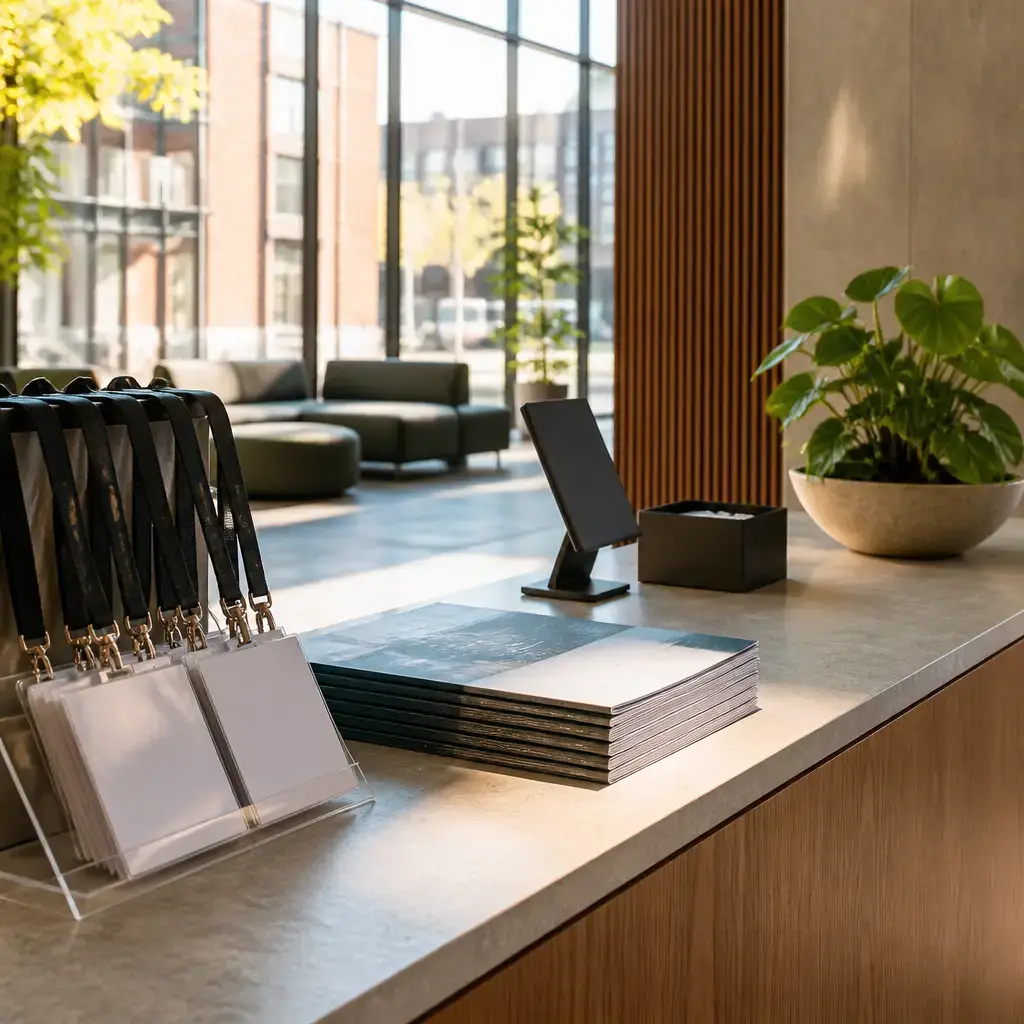
Tagesordnungen means “agendas” or “schedules” and refers to the printed copies available here. The dialogue uses it in Die gedruckten Tagesordnungen liegen hier.
liegen
In Die gedruckten Tagesordnungen liegen hier, liegen means that the agendas are lying or located here and are available to take. The pattern liegen hier describes the location of physical items.
aber
In ..., aber die Online-Version enthält ..., aber means “but” and introduces information that contrasts with the availability of the printed agendas. It connects two related statements.
enthält
In die Online-Version enthält die aktuellen Raumzuweisungen, enthält means “contains” and says that the online agenda includes the latest room information. A reusable pattern is etwas enthält + information or content.
aktuellen
In die aktuellen Raumzuweisungen, aktuellen means “current” or “latest” and indicates that the room assignments are up to date. It directly describes Raumzuweisungen.
Raumzuweisungen
Raumzuweisungen means “room assignments” and identifies the information showing which rooms are allocated to sessions. It appears with aktuellen to emphasize that this information is up to date.
Online-Tagesordnung
Online-Tagesordnung means “online agenda” and refers to the digital conference schedule. The dialogue uses it as the resource the speaker will use to avoid missing updates.
damit
In damit ich keine Aktualisierungen verpasse, damit introduces the purpose of using the online agenda: “so that I do not miss updates.” A reusable pattern is damit + a clause explaining the intended result.
keine
In keine Aktualisierungen, keine means “no” or “any” in the negative statement about missing updates. It appears before the plural noun to say that not even one update should be missed.
Aktualisierungen
Aktualisierungen means “updates” and refers to changes or new information about the conference. In keine Aktualisierungen verpasse, it is the information the speaker wants to keep from missing.
verpasse
In damit ich keine Aktualisierungen verpasse, verpasse means “miss” and expresses that the speaker does not want to fail to notice updates. It is a form of verpassen used with Ich in the purpose clause.
sind
In Hier sind Ihre Unterlagen und Ihr Namensschild, sind means “are” and links the location Hier with the materials and badge being presented. It is a form of sein used with plural items.
Ihr
In Ihr Namensschild, Ihr means formal “your” and identifies the badge belonging to the person being addressed. It is placed before Namensschild in the phrase presenting the badge.
Unterlagen
Unterlagen means “materials” or “documents” and refers to the conference papers or information handed to the attendee. It is presented together with the name badge in Hier sind Ihre Unterlagen.
In
In In welchen Raum soll ich zuerst gehen?, In points toward the room that will be the destination. The question pattern In welchen Raum ... gehen? asks where someone should go.
welchen
In welchen Raum, welchen means “which” and asks the attendee to identify the appropriate room among possible destinations. It appears directly before Raum in the destination question.
Raum
Raum means “room” and refers to the place where the attendee should go. It appears in the question In welchen Raum soll ich zuerst gehen?
zuerst
In zuerst gehen, zuerst means “first” and asks about the initial destination in the conference schedule. It specifies the order in which the attendee should go to rooms or sessions.
gehen
In soll ich zuerst gehen?, gehen means “go” and is the infinitive after soll. Together with In welchen Raum, it asks which room the attendee should go to first.
Eröffnungssitzung
Eröffnungssitzung means “opening session” and names the first conference session mentioned by the staff member. It is the subject of the statement about where the session takes place.
findet
In Die Eröffnungssitzung findet in der Haupthalle statt, findet combines with statt in findet ... statt to express that the session takes place. This pattern is used to state the location of an event.
Haupthalle
Haupthalle means “main hall” and identifies the location of the opening session. It appears in the location phrase in der Haupthalle.
statt
In findet ... statt, statt is the second part of the expression findet ... statt, meaning “takes place.” It completes the expression used for events such as the opening session.
geradeaus
In geradeaus diesen Gang entlang, geradeaus means “straight ahead” and gives the direction to the main hall. It is useful when directing someone along a route without a turn.
Gang
Gang means “corridor” or “hallway” and identifies the route the attendee should follow. It appears in diesen Gang entlang, meaning along this corridor.
entlang
In diesen Gang entlang, entlang means “along” and describes movement following the corridor. Here it comes after the noun phrase and completes the direction geradeaus diesen Gang entlang.