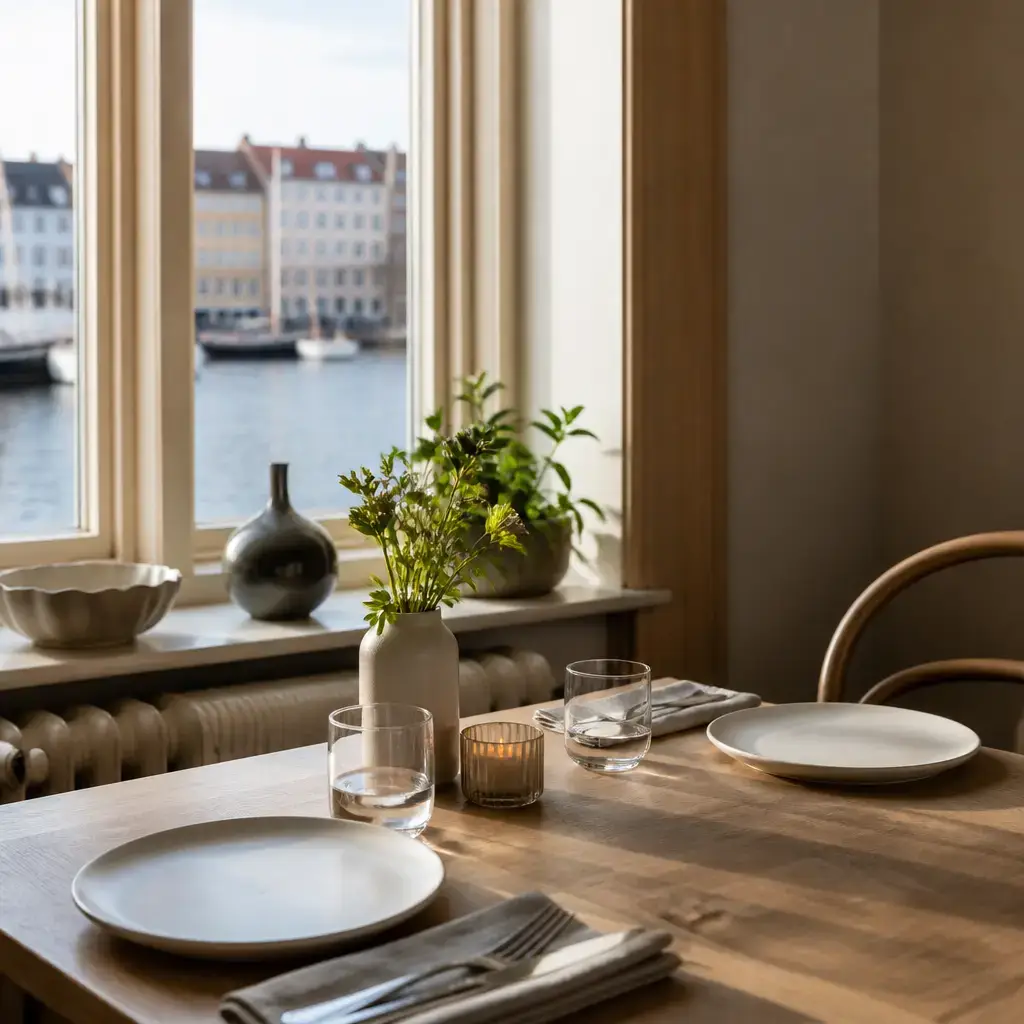
Möchtest
“Möchtest” means “would you like” in the question “Möchtest du mit mir zusammen zu Abend essen?”. It is useful for inviting one person to do something together.
du
“Du” means “you” here, referring to the friend being invited. It is used in the pattern “Möchtest du ...?” when addressing one person informally.
mit
“Mit” means “with” in “mit mir” and shows who will join the activity. The reusable pattern “mit jemandem zusammen” expresses doing something together with someone.
mir
“Mir” means “me” in “mit mir”, identifying the person who will join the dinner. It can be reused after “mit” when naming the person accompanying the speaker.
zusammen
“Zusammen” means “together” in “mit mir zusammen”, emphasizing that the two people will do the activity jointly. This expression is useful when making plans with another person.
zu Abend essen
The whole expression “zu Abend essen” means “to have dinner”. Within it, “zu” and “Abend” form the time expression “zu Abend”, while “essen” supplies the action; together they name the dinner activity.
Das
“Das” means “that” in “Das möchte ich gern”, referring to the suggested dinner. This pattern is useful when accepting or responding positively to something just proposed.
möchte
“Möchte” expresses “would like” in “Das möchte ich gern”. The phrase “möchte ich gern” is a natural way to state that the speaker wants or is happy to do something.
ich
“Ich” means “I” in “Das möchte ich gern”, identifying the person who wants the dinner. It is used when the speaker states their own preference or intention.
gern
“Gern” adds the meaning “gladly” or “with pleasure” to “möchte ich”. The expression “möchte ich gern” is useful for accepting a suggestion or expressing willingness.
Ein
“Ein” means “a” or “an” at the beginning of “Ein ruhiges Abendessen”. It introduces one dinner as the topic being described.
ruhiges
“Ruhiges” means “quiet” or “calm” in “Ein ruhiges Abendessen”, describing the desired atmosphere of the dinner. It can be reused before a noun when describing something calm or quiet.
Abendessen
“Abendessen” means “dinner” in “Ein ruhiges Abendessen”. It names the evening meal the speakers are planning.
klingt
“Klingt” means “sounds” in “klingt schön”, expressing how the proposed dinner seems to the speaker. The pattern “klingt schön” is useful for reacting positively to a suggestion.
schön
“Schön” means “nice” or “pleasant” in “klingt schön”. This expression is useful when saying that an idea or plan seems appealing.
Soll
“Soll” means “should” in “Soll ich einen ruhigen Ort aussuchen?”, asking whether the speaker ought to do something. The pattern “Soll ich ...?” is useful for asking what action to take.
einen
“Einen” means “a” or “an” in “einen ruhigen Ort”, introducing one place that may be chosen. It belongs to the noun phrase naming the possible place.
ruhigen
“Ruhigen” means “quiet” or “calm” in “einen ruhigen Ort”, describing the place to be selected. The phrase “einen ruhigen Ort” can be reused when looking for a calm location.
Ort
“Ort” means “place” in “einen ruhigen Ort”. It names the location that the speaker may choose for dinner.
aussuchen
“Aussuchen” means “choose” or “select” in “einen ruhigen Ort aussuchen”. It is useful with an object when choosing a place, item, or option.
würde
“Würde” means “would” in “Ein ruhiger Ort würde uns helfen”, presenting the benefit as a possible result. The pattern “würde ... helfen” is useful for describing what could help in a situation.
uns
“Uns” means “us” in “würde uns helfen”, referring to both speakers as the people who would benefit. The pattern “uns helfen” is useful when describing something that helps the speaker and another person.
helfen
“Helfen” means “help” in “würde uns helfen”. The phrase “uns helfen” shows who would receive the help and can be reused when describing a useful action or condition.
miteinander
“Miteinander” means “with each other” in “miteinander zu reden”, showing that the two people will talk mutually. It is useful for describing an activity done together by the people involved.
zu
“Zu” is the infinitive marker in “zu reden”, linking the action of talking to “helfen”. The pattern “helfen, miteinander zu reden” connects a helpful condition with the action it supports.
reden
“Reden” means “talk” in “miteinander zu reden”. The expression is useful when describing a conversation between two people.
ruhiger
“Ruhiger” means “quiet” or “calm” in “Ein ruhiger Ort”, describing the place that would make conversation easier. The phrase “Ein ruhiger Ort” can be reused when suggesting a peaceful location.
lieber
“Lieber” means “rather” or “preferably” in “würde ... lieber etwas Bekanntes nehmen”, marking the preferred choice. It is useful when choosing one option instead of another.
einfaches
“Einfaches” means “simple” in “einfaches Essen”, describing food that is not complicated or unfamiliar. The phrase “einfaches Essen” can be reused when discussing a straightforward meal choice.
Essen
“Essen” means “food” or “a meal” in “einfaches Essen”. The capitalized form names what the speaker may choose to eat.
oder
“Oder” means “or” in “einfaches Essen oder etwas Neues”, linking two alternatives. It is useful when asking someone to choose between options.
etwas
“Etwas” means “something” in “etwas Neues” and “etwas Bekanntes”, introducing an unspecified thing or choice. It is useful before a description when the exact item is not named.
Neues
“Neues” means “something new” in “etwas Neues”, referring to a new food or meal choice without naming it. The expression is useful when discussing an unfamiliar option.
heute
“Heute” means “today” in “heute Abend”, setting the plan on the current day. Together with “Abend”, it refers to tonight.
Abend
“Abend” means “evening” in “heute Abend”, identifying the time of the planned meal. The phrase “heute Abend” is a common way to say “tonight”.
Bekanntes
“Bekanntes” means “something familiar” in “etwas Bekanntes”, referring to a food or choice the speaker already knows. The expression is useful when choosing a familiar option.
nehmen
“Nehmen” means “take” or, in this context, “choose” in “etwas Bekanntes nehmen”. It is useful when selecting a food or another option.
kann
“Kann” means “can” in “Ich kann ... reservieren”, presenting the reservation as something the speaker is able to do. The pattern “Ich kann ... reservieren” is useful for offering to arrange something.
Tisch
“Tisch” means “table” in “einen Tisch ... reservieren”, naming what will be reserved at the restaurant. The phrase “einen Tisch reservieren” is useful when arranging a meal.
in
“In” means “in” or “at” in “in einem Restaurant”, locating the table inside a restaurant. This phrase is useful when specifying where an activity or reservation will take place.
der
“Der” means “the” in the expression “in der Nähe”. Together with the other words in that expression, it helps identify a nearby area.
einem
“Einem” means “a” or “an” in “in einem Restaurant”, introducing a restaurant that has not been specified before. It is used as part of the location phrase for the reservation.
Restaurant
“Restaurant” means “restaurant” in “in einem Restaurant”, naming the place where the table will be reserved. The phrase is useful when specifying the location of a meal.
Nähe
“Nähe” means “vicinity” or “nearby area” in “in der Nähe”, describing a location that is close by. The full phrase “in der Nähe” is useful when talking about something nearby.
reservieren
“Reservieren” means “reserve” in “einen Tisch ... reservieren”. The pattern “einen Tisch reservieren” is useful for arranging seating at a restaurant.
Schick
“Schick” means “send” at the beginning of “Schick mir bitte die Details”, giving a direct request to one person. This pattern is useful when asking someone to send something to the speaker.
bitte
“Bitte” means “please” in “Schick mir bitte ...”, making the request more polite. It can be placed inside a request such as “Schick mir bitte die Details”.
die
“Die” means “the” in “die Details”, identifying specific details that are understood from the dinner arrangement. It introduces the particular information the speaker is asking for.
Details
“Details” means “details” in “die Details”, referring to the information about the restaurant and dinner plan. The phrase is useful when asking someone to share specific information.
wenn
“Wenn” means “when” in “wenn du kannst”, introducing the condition or time at which the person can send the details. This pattern is useful for making a request flexible.
kannst
“Kannst” means “can” in “wenn du kannst”, referring to the other person’s ability or availability. The expression “wenn du kannst” is useful when asking someone to do something whenever possible.