Möchtest
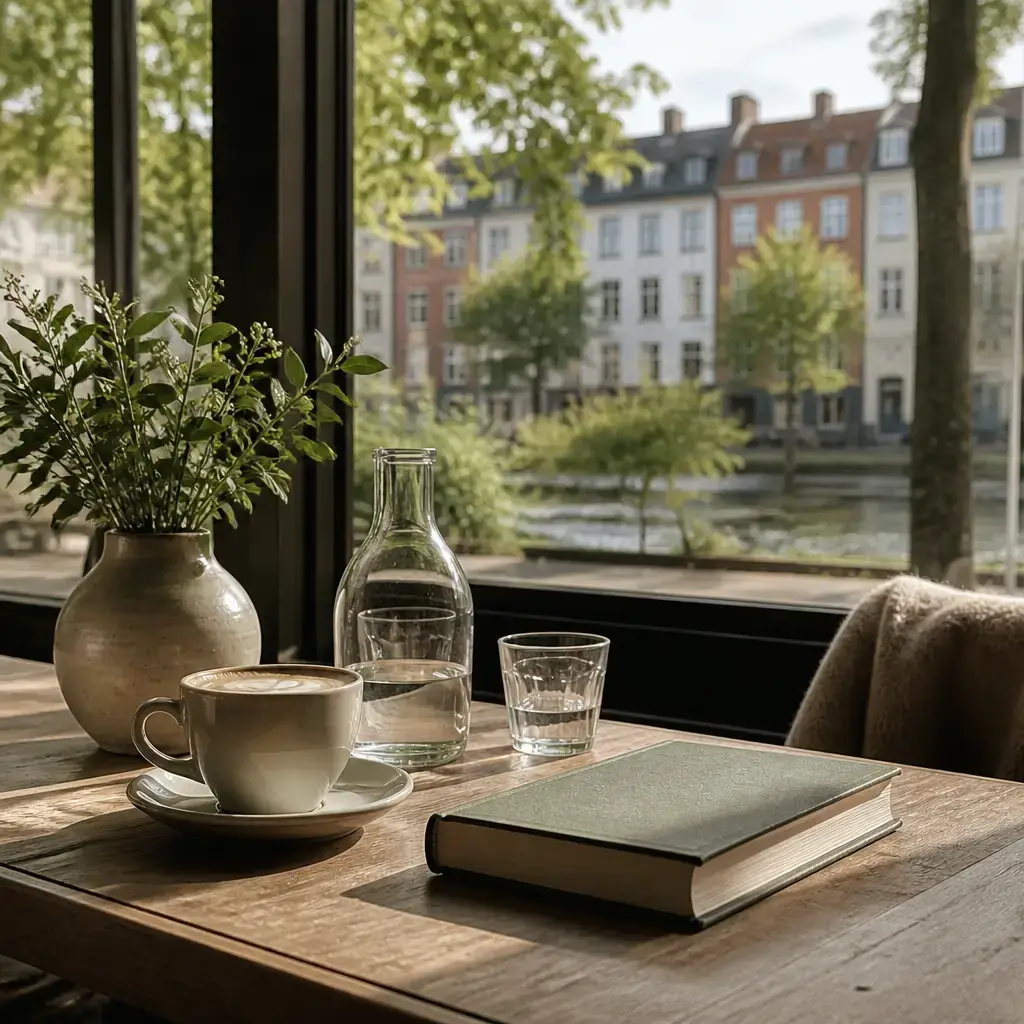
In "Möchtest du dich in einem Café treffen?", "Möchtest" means "would like" and makes a polite question about someone’s wish. The reusable pattern is "Möchtest du ...?" followed by what the person may want to do.
du
In "Möchtest du dich in einem Café treffen?", "du" means "you" when speaking to one person directly. It is the person being asked and is used with the form "Möchtest" here.
dich
In "Möchtest du dich in einem Café treffen?", "dich" means "yourself" and shows that the person meets with someone. The reusable expression is "sich treffen"; with "du", the form used here is "dich treffen".
in
In "in einem Café", "in" means "in" or "at", giving the place where the meeting happens. It commonly appears before a place, as in "in einem Café".
einem
In "in einem Café", "einem" means "a" or "one" as part of the phrase "a café". Together with "in" for a fixed location, it forms "in einem Café".
Café
In "in einem Café", "Café" means "cafe", the place where the two people plan to meet. It can be used after a place phrase such as "in einem Café".
treffen
In "Möchtest du dich in einem Café treffen?", "treffen" means "meet". It follows "Möchtest" and appears at the end of this question; the reusable pattern is "sich treffen".
Das
At the start of "Das klingt entspannend", "Das" means "that" and refers to the suggested cafe plan. The same worklist form also appears as lowercase "das" in "das ruhige Café", where it means "the".
klingt
In "Das klingt entspannend", "klingt" means "sounds" and describes the impression made by the suggestion. A reusable pattern is "Das klingt ..." followed by a description.
entspannend
In "Das klingt entspannend", "entspannend" means "relaxing" and describes the plan as calming. It is used after "klingt" to give an impression of something.
Welches
In "Welches Café magst du?", "Welches" means "which" and asks the listener to choose a particular cafe. It comes directly before the noun in the pattern "Welches Café ...?".
magst
In "Welches Café magst du?", "magst" means "like" in the question addressed to one person. It is used with "du" in the pattern "Welches ... magst du?".
Ich
In "Ich mag das ruhige Café am Park", "Ich" means "I" and identifies the speaker as the person who likes the cafe. It stands at the beginning of this statement before "mag".
mag
In "Ich mag das ruhige Café am Park", "mag" means "like" and expresses the speaker’s preference for the cafe. The reusable pattern is "Ich mag" followed by the thing someone likes.
ruhige
In "das ruhige Café", "ruhige" means "quiet" and describes the cafe. It appears directly before "Café" in the noun phrase "das ruhige Café".
am
In "am Park", "am" means "at the" or "near the" and gives the cafe’s location in relation to the park. The reusable place pattern is "am" followed by a location, as in "am Park".
Park
In "am Park", "Park" means "park" and identifies the nearby place. It follows the location expression "am".
Lass
In "Lass uns uns dort treffen und die Ruhe genießen", "Lass" helps make a suggestion meaning "let’s". The reusable pattern is "Lass uns" followed by an activity.
uns
In "Lass uns uns dort treffen", "uns" means "us". The first "uns" belongs to the suggestion "Lass uns", while the second is part of "uns treffen", meaning that we meet each other.
dort
In "uns dort treffen", "dort" means "there" and points to the cafe already being discussed. It commonly comes before the activity or verb phrase that happens there.
und
In "treffen und die Ruhe genießen", "und" means "and" and joins the two planned activities. It connects "treffen" with "die Ruhe genießen".
die
In "die Ruhe genießen", "die" means "the" and introduces the specific quiet or calm being enjoyed. It is used directly before the noun "Ruhe" in this expression.
Ruhe
In "die Ruhe genießen", "Ruhe" means "quiet" or "calm", referring to the peaceful atmosphere at the cafe. The reusable expression is "die Ruhe genießen", meaning to enjoy the quiet.
genießen
In "die Ruhe genießen", "genießen" means "enjoy" and describes what the friends plan to do with the quiet atmosphere. It is used in the infinitive after "Lass uns" and can take an object such as "die Ruhe".
kann
In "Ich kann ein Buch mitbringen", "kann" means "can" and expresses the speaker’s ability or possibility. After "kann", the other verb appears at the end, as in "ein Buch mitbringen".
ein
In "ein Buch", "ein" means "a" and introduces one unspecified book. The reusable pattern is "ein" followed by a singular noun, as in "ein Buch mitbringen".
Buch
In "ein Buch mitbringen", "Buch" means "book". It is the thing the speaker offers to bring along.
mitbringen
In "Ich kann ein Buch mitbringen", "mitbringen" means "bring along" and refers to bringing the book to the cafe. It appears as a complete infinitive after "kann" in the pattern "etwas mitbringen".
Wir
In "Wir können dort eine Weile lesen", "Wir" means "we" and refers to both people together. It is the subject of the statement and comes before "können".
können
In "Wir können dort eine Weile lesen", "können" means "can" and expresses what the two people are able or allowed to do. It is followed by the infinitive "lesen" at the end.
eine
In "eine Weile", "eine" means "a" and introduces an unspecified period of time. The reusable expression is "eine Weile", meaning "for a while".
Weile
In "eine Weile lesen", "Weile" means "while", a short period of time. Together, "eine Weile" tells how long they plan to read.
lesen
In "eine Weile lesen", "lesen" means "read" and names the activity the friends can do at the cafe. It appears as an infinitive after "können".
wäre
In "Das wäre eine schöne Pause", "wäre" means "would be" and presents the planned reading time as a possible nice break. The reusable pattern is "Das wäre ..." followed by a description or noun phrase.
schöne
In "eine schöne Pause", "schöne" means "nice" and describes the break positively. It appears directly before the noun "Pause".
Pause
In "eine schöne Pause", "Pause" means "break", referring to a restful break from other activities. The phrase "eine schöne Pause" describes the planned cafe time.