Hvor
"Hvor" means "where" and asks about a location in this dialogue. It comes first in the questions "Hvor er det?" and "Hvor er du?". Use it when asking where a person or thing is.
er
"er" means "is" or "are" here and links a person or thing with a location or with the time. In "Hvor er det?", "Hvor er du?", and "Hvad er klokken?", it comes before the subject after the question word. "er" is the form of the verb være used in these questions.
det
"det" means "it" in "Hvor er det?" and refers to the thing whose location is being asked about. It follows "er" in this place question. Use it when the thing being discussed is already understood.
du
"du" means "you" and refers to the person being addressed. In "Hvor er du?" it follows "er" because the question asks about that person's location. Use it when speaking directly to one person.
Hvad
"Hvad" means "what" and asks for information about a thing, event, or subject. It begins both "Hvad skete der her?" and "Hvad er klokken?" in this dialogue. Use it at the start of a question when you want to find out what something is or what happened.
skete
"skete" means "happened" in "Hvad skete der her?". It is the past form of ske, referring to an event that has already taken place. Use it when asking about an event, especially with the question word "Hvad".
der
"der" is part of the question about an event in "Hvad skete der her?". Here it helps form the expression asking what happened, while "her" identifies the place. Keep it in this question pattern when asking what happened.
her
"her" means "here" and points to the place where the event occurred. In "Hvad skete der her?" it comes at the end and specifies the location being discussed. Use it when referring to the place where the speaker and listener are.
klokken
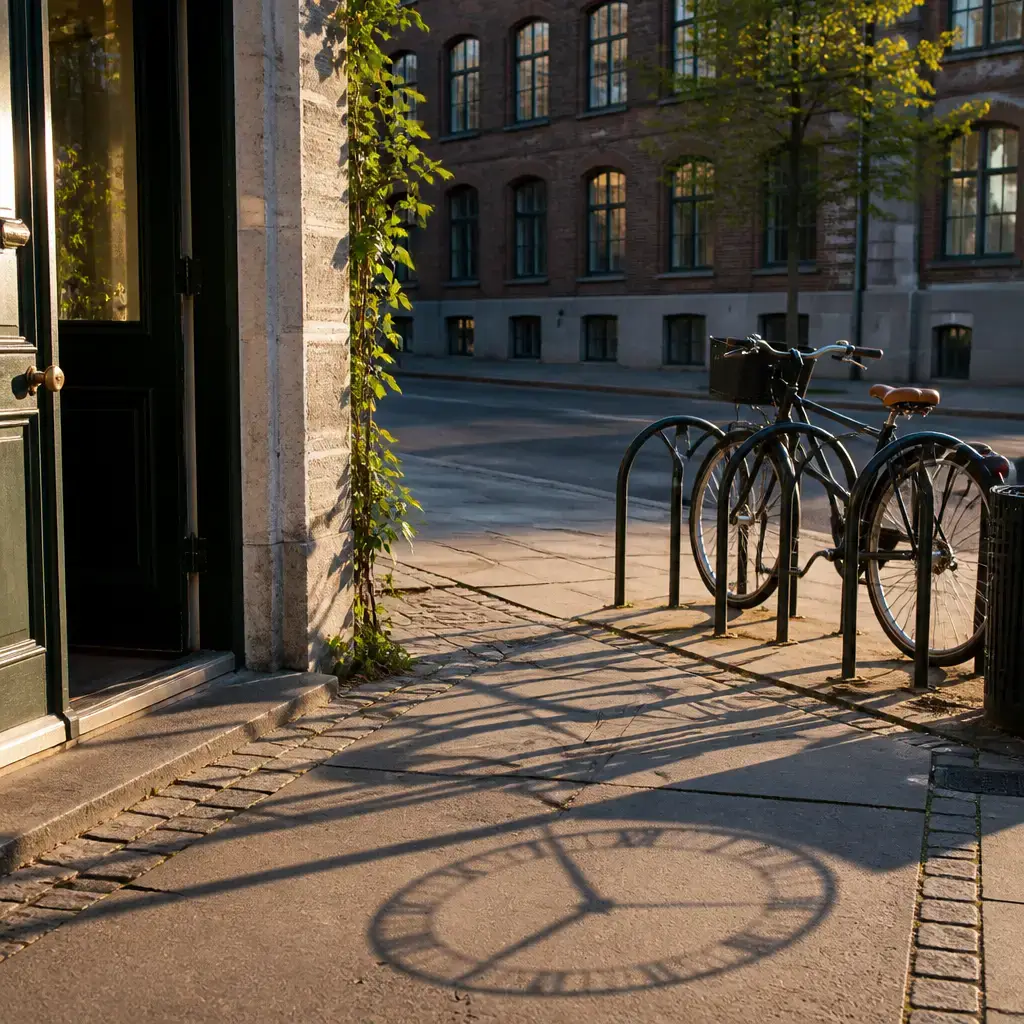
"klokken" means "the time" in "Hvad er klokken?" and identifies what the question asks about. The word is related to klokke, "clock", and this exact form is used in the question about the current time. Use it with "Hvad er" when asking what time it is.
Hvornår
"Hvornår" means "when" and asks about the time of an event. In "Hvornår kommer du?" it comes first and asks when the person will come. Use it when asking when someone will arrive or when something will happen.
kommer
"kommer" means "come" or "will come" in "Hvornår kommer du?", referring to an expected arrival. It is the present form of komme, used here with a future meaning because the question asks about a coming event. Use it with a person as the subject when asking about their arrival.
Hvorfor
"Hvorfor" means "why" and asks for a reason. In "Hvorfor er du forsinket?" it comes first and asks for the reason that the person is late. Use it at the beginning of a question when you want an explanation.
forsinket
"forsinket" means "late" or "delayed" in "Hvorfor er du forsinket?". It describes the addressed person as not arriving on time and follows "er" in this sentence. Use it when explaining that a person or thing is delayed.